




Best Beaches in Andalusia
Stretching the entire width of southern Spain from the Portuguese border in the west to Almería on the south-eastern coast, Andalucía (or Andalusia in English) has a staggering 1,000 km (about 620 miles) of coastline. Along its five coastal provinces – Huelva, Cádiz, Málaga, Granada, and Almería – you’ll find wide, flat sandy expanses, tiny rocky coves, and everything in between. Families, party-goers, and adrenaline junkies alike can all find the perfect spot in southern Spain.
Read more discover some of the best beaches in Andalusia.
Most of the beaches listed here have facilities like parking lots, showers, toilets and chiringuitos (beach bar-restaurants), unless otherwise mentioned.
Playa de la Caleta, Cádiz
 If this beach looks familiar, it’s because you saw Halle Berry striding out of the waves in Die Another Day. La Caleta in Cádiz stood in for Havana, Cuba – both have colorful, worn mansions. The beautiful bath house, El Balneario de la Palma, was used as the hotel, while Castillos de San Sebastián fortress, reached by a causeway which was removed in the movie, became an island clinic. One major advantage of this city beach is proximity to plenty of fantastic seafood-forward tapas bars in the Barrio de la Viña.
Bolonia, Cádiz
 This small village with fun boho cafes at the end of a no-through road has a wide sweep of pale golden, powder-soft sand. Plus, there's a spectacular 100-foot tall dune backed by pine trees. As in most areas of Cádiz, the water is a turquoise blue and super refreshing, perfect for a post dune dip. Looking for an extra cultural-historic element to your beach trip? Explore the ruins of a Roman beachfront town, Baelo Claudia, where the famous garum fish paste was made to be exported to Rome.
Valdevaqueros, Cádiz
Well known for its water sports like kitesurfing and windsurfing (it regularly hosts major international competitions), this relaxed and wide beach is close to the surfer-cool town of Tarifa. It's also just 15 minutes from Bolonia in case you want to do a little beach hopping! Here you get the added bonus of three-Michelin-star Dani Garcia’s BiBo Beach House restaurant and beach club, complete with a lounge terrace to match the local vibe.
La Barrosa, Cádiz
 Here it's golden sand backed by grassy dunes and pine forests, where you can also try a huge variety of water sports. With such a long stretch of beach, La Barrosa is a great vacation spot for families and big groups. You'll find kiddos kicking around soccer balls or playing beach paddle up and down the shore.
Zahara de los Atunes, Cádiz
 A delightful fishing village (chiefly tuna, hence the name), complete with a castle, Zahara de los Atunes's powdery sands and clear blue water are just part of what makes it one of the best beaches in Andalusia. One of the nice things about this beach is the lack of high-rise buildings. You won't find those tall apartment blocks or hotels that make it feel built-up. In addition, you can enjoy shopping at the funky boutiques full of desirable kaftans, as well as seafood-themed ceramics. There are also loads of fantastic restaurants on the beach and in town serving the local catch.
La Malagueta, Málaga
 Malaga city has undergone a cultural renaissance in last 15 years. Now much more than a stopping-off point for beach vacations, it is a popular destination in its own right. The main draw to this beach is how easily accessible it is from the center of town. There are also a host of restaurants serving espetos - sardines skewered onto a stick and then cooked over hot coals.
La Burriana, Málaga

La Burriana is one of the most popular beaches in the Nerja, which is part of the Málaga province and less than an hour's drive from the city. It's great for active beach goers looking to play volleyball or take part in a little parasailing adventure. There's also enough sand for an afternoon stroll and a number of great chiringuitos for a sunset dinner and drink.
La Herradura, Granada

This delightful beach further east down the coast from Nerja is just a one hour drive south from the city of Granada. It's popular with scuba divers, thanks to the shipwrecks of 16th-century Spanish galleons, as well as rocky headlands for snorkeling. Winter sports enthusiasts should note that you can ski in the neighboring Sierra Nevada in winter for an all-in-one-day snow-and-sand combo.
Playa de los Muertos, Almería
 Crystal clear waters are why some call this the Andalusian Caribbean and why it's definitely one of the best beaches in Andalusia. Part of the Cabo de Gata Park, it's surrounded by mountains is perfect for snorkeling. So bring your goggles! At the end of long footpath from the parking lot, the isolated stretch of sand has no facilities, so you need to take everything with you (except your bathing suit, obviously). Don’t forget the most important, especially if you’re taking young children: water. Save some for the climb back up again!
Playa de los Genoveses, Almería

This whole area, also part of Cabo de Gata National Park, is still (mercifully) undeveloped. The Playa de los Genoveses is a perfect arc of white sand and has those same Caribbean-like waters. It's well worth exploring if your idea of beach heaven is simply sand and sea. Keep in mind there are no modern-day accoutrements like bars, shops, or toilets. Learn more about Spain Savvy’s family beach vacation in Almería.
Cuesta Maneli, Huelva

On the Costa de Luz, Cuesta Maneli beach sits in the heart of the Doñana Natural Park. Surrounded by pine trees and rocky dunes, the mile-long sloped path down to the water is part of what makes it more secluded and special...and totally worth it! You won't find bathrooms or showers here either. But you're bound to hear the calls of folks selling ice cold beer along the shore.
Ready to add one of the best beaches in Andalusia to your itinerary? Looking for even more beachside secrets? Contact our travel design team for the inside scoop.


Essential Spanish Phrases for Traveling in Spain
Looking to brush up on your Spanish before heading to Spain? Nailing down a few essential Spanish phrases is a great way to prepare and feel confident communicating Spain-side.
One of our favorite parts of travel is interacting with locals. It's the absolute best way to understand the culture and see how people really think and live. Even the smallest micro-interactions can have lasting impacts: the man who gave you directions to the metro stop, the grandfather who said good morning to you, or the generous restaurant server who helped you order her favorite dish. We often remember these moments more than we do the most exquisite paintings in the Prado museum or the most majestic monuments. They make us feel welcomed. They make the world feel just a bit smaller in the best way.

While you may be far off from having a full-on conversation with a Spanish abuela (grandmother), having a few phrases in your back pocket is a form of respect. Americans often have an unfortunately bad reputation of making no effort to speak Spanish. Part of responsible tourism is changing that narrative! A little goes a long way. And when in doubt, Google translate is actually very useful!
If you took a few Spanish classes in high school you may find that these phrases don't all line up with what you learned from your maestro. The vocabulary isn't the same every Spanish speaking country, so you'll notice some differences.
Spain Savvy's Essential Spanish Phrases for Travel
Hola - Hello
Adiós - Goodbye
Gracias - Thank you
Muchas gracias - Thank you so much
De nada - You're welcome
Por favor - Please
Buenos días - Good morning
Buenas tardes - Good afternoon
Buenas noches - Good evening/Goodnight
¿Cómo estás? or ¿Qúe tal? - How are you?
Bien, gracias - Fine, thank you.
Mi nombre es... or Me llamo... - My name is...
Perdona or Perdón - Excuse me/sorry/pardon me
Encantada/o - Nice to meet you (Encantada for women, Encantado for men)
¿Hablas inglés? - Do you speak English?
No entiendo - I don't understand
No hablo español - I don't speak Spanish
Por favor, un poco más lento - Please, a little slower
¿Puedes repetir, por favor? - Can you please repeat that please?
¿Qúe hora es? - What time is it?
¿Cuánto cuesta? - How much is it?
¿Me puedes ayudar? - Can you help me?
¿Dónde está...? - Where is the...?
¿Dónde está el baño? - Where is the bathroom?
¿Dónde está el metro - Where is the metro/subway?
¿Dónde está la parada del autobús? - Where is the bus stop?
¿Dónde está la estación de tren? - Where is the train station?
¿Dónde está el banco? - Where is the bank?
Una mesa para dos, tres, cuatro... - A table for two, three, four...
Soy vegetariano/vegano - I am a vegetarian/vegan
Quiero una cerveza/copa de vino or ¿Me puedes poner una cerveza/copa de vino? - Can I have a beer/glass of wine? (red wine - vino tinto; white whine - vino blanco)
¿Que me recomiendas? - What do you recommend?
Yo no como... - I don't eat...
Soy alérgica a... - I am allergic to...
La cuenta, por favor - The check, please.
Learn More Essential Spanish Phrases
 This of course is just the beginning! There's so much to learn when it comes to enriching your travel experiences and getting a handle on those essential Spanish phrases.
Want to go farther? Take a Spanish language class at home before you go, check out Spanish intercambios (language exchanges where English and Spanish-speakers get together to chat), or simply download Duolingo on your phone. ¡Suerte!

Our Favorite Paella Recipe
If there is one dish Spain is known for around the globe, it's undoubtedly paella. Heck, there's even a paella emoji on your phone! So many of our clients leave Spain having fallen in love with this iconic dish and want to learn how to make it at home. While it's true that it does take some mastery, as well as the right tools and ingredients, it's more than possible to execute a delicious paella recipe stateside.
Here we're getting down to the details of paella, from its history to its current politics, as well as our own Spain Savvy family paella recipe you can try at home.
The History of Paella
 Paella is said to be a perfect union between the two historical Spanish cultures - the Romans for the pan and the Moors that brought rice from the Middle East to Africa and up into Spain in the 8th century. Legend has it that the Moorish kings' servants created rice dishes by mixing the left-overs from royal banquets in large pots to take home. It's said by some that that word paella originates from the Arab word “baqiyah” meaning left-overs.
While its ancient history is a bit foggy, rice has become a main staple in the Mediterranean diet and is grown all throughout Spain, from Cataluña to Andalusia. Today, paella is eaten all over the country. However, most experts agree that the dish was developed in Valencia by farmers working in the fields. They used what was available to them - rice, vegetables, rabbit, snails - and cooked up a cheap feast in the countryside. The highly absorbent rice specifically used for paella, arroz bomba, actually only grows in Valencia, in the Parque Nacional de la Albufera.
The Politics of Paella
 While it may seem like a simple rice dish, paella is a highly debated topic in Spain. You've likely seen or eaten paellas with a smattering of ingredients, ranging anywhere from green peas to chorizo to hard-boiled eggs. And while those variations aren't necessarily bad, call them paella and you'll hear the rumble of many Valencian grandmothers rolling around in their graves. The official paella according to most folks in Valencia is nothing more than rice, saffron, tomato, olive oil, garlic, paprika, water, and some variation on rabbit, chicken, and/or snails, as well as a specific type of local butter bean, flat green beans, and/or artichokes. They would also consider a seafood paella to be a paella, but there are restrictions here as well. Any variant - say pork ribs or squid ink - is nothing more than "rice with things." Even if it's made in the paella pan.
Where to Eat Paella in Spain
 The cooks in Valencia and Alicante area make the best paellas in all the country by far. Outside of those regions, it can be tricky to find not only an authentic paella, but a well-made one. Because paella has become somewhat of a national symbol of Spanish gastronomy, restaurants all over the country tend to sell low-quality versions of the dish (or even frozen pre-made paellas) to tourists. Even if you're venturing into the "rice with things" territory, you still run the danger of getting served a low-grade meal, which could easily ruin your first encounter with such a delicious culinary marvel. To play it safe, ask your travel designer for specific recommendations on where to eat paella while traveling in Spain.
Tips for the Perfect Paella Recipe
 Paella is the perfect dish for feeding a crowd (there are paella pans that feed hundreds!) and is most commonly eaten on Sunday afternoons for lunch. We at Spain Savvy do a big paella at our home with family and friends a few times a year. It's always a hit!
To make paella at home, you'll definitely need a paella pan (the word paella actually refers to the pan, though sometimes its also called a paellera). You can cook paella over an open flame, your stovetop, or on a paella grill burner system, called a paellero. It's perfect for cooking outdoors and almost every family in Spain owns at least one of these, often with multiple pan sizes and shapes. If you're looking to get a hold of paella-making supplies and ingredients, including Bomba rice, check out La Tienda or Ibérico Club for all the best gear.
Keep in mind that the liquid to rice ratio can be tricky. While we've given you some measurements, the rule here is use twice as much stock as you do rice. You can use the same cup to measure and eye it if you want. It's usually about one fistful of rice per serving.
Spain Savvy's Family Paella Recipe
 While this paella recipe isn't 100% by the Valencian book, it's the way we do things. Every family in Spain has their own variation and so can you. For example, here we utilize both chicken and rabbit. If you can't get a hold of rabbit, feel free to double the amount of chicken instead.
Ingredients
- 1 head garlic, peeled
- 1 medium-sized green bell pepper, sliced into strips
- 1 lb. Romano beans, cut into 3rds (you can also use green beens)
- 2 lbs. ripe tomatoes, finely chopped
- 6 whole artichokes, peeled down to the soft parts and cut into pieces
- 1.5 lbs. whole bone-in, skin-on chicken, cut into large chunks
- 1.5 lbs. whole entire bone-in, skin-on rabbit, cut into large chunks
- 1 pinch saffron threads
- 1/2 teaspoon sweet paprika
- 6 cups chicken stock
- 2 bouillon cubes
- 3 cups Bomba rice
- Extra-virgin olive oil
- Rosemary sprigs
- Lemons or tomatoes for garnish
Instructions
- You'll want to break in your paella pan ahead of time by rubbing it down with a clove of garlic. You can also soak the beans ahead of time in ice water with lemons to soften them up and prevent oxidation.
- Heat your paella pan over medium heat. When your pan is hot, add a drizzle of olive oil and sauté the garlic, green peppers, beans, tomatoes, and artichokes.
- Once your vegetables are soft, add the saffron and sweet paprika. Give it a quick stir, remove the ingredients from the pan, and set aside.
- Add another drizzle of olive oil to the same pan and cook the meat until browned and almost fully cooked.
- Add the vegetables back into the pan with the meat. Cover with chicken stock and break up the bouillon cube in your hands, sprinkling it on top.
- Add the rice evenly throughout the pan in a thin layer.
- Garnish with a few rosemary sprigs and cook for 6 minutes over high heat, followed by 5 minutes of low heat.
- When you're ready to serve, you can decorate it with lemons, tomato wedges, or even with some colorful bougainvillea flowers from your garden like we did! ¡Buen provecho!

Day Trips to the Costa Brava
Here at Spain Savvy, when someone asks us where they should take a day trip from Barcelona, our first answer is always the beautiful Costa Brava. Consulting with our guests first on their specific interests, activity level, and the ever-present travel bucket list, we create a variety of itineraries for day trips to Costa Brava, including overnight stays. We work with local travel professionals who accompany our clients on private tours, and can also arrange small or larger group excursions, depending on budget and availability. Some clients will also be adventurous and rent a car to explore the terrain on their own with our tips and customized Google maps. There are many different ways to visit this beautiful coastline. Below are just a few of our favorites!
About La Costa Brava
 La Costa Brava, which literally means the 'brave,' 'wild,' or 'rough coast' in Spanish, is a stretch of coastal land in Catalonia that starts from above Barcelona all the way to the French border. The rugged and rocky coastline is dotted with quaint villages, forested mountains, majestic beaches, and some of the most picturesque coves you've ever set your eyes on. Along with natural wonders, a day trip from Barcelona to the Costa Brava means visits to historic sites, viewing exceptional art, and indulging in award-winning gastronomy. It's a destination that offers something for every sort of traveler and for folks of all ages. It's why our clients always leave the area in awe and wonder.
For Art Lovers: The Dalí Triangle

Famous Spanish surrealist artist Salvador Dalí was a resident of the Costa Brava. To hit up all the major spots in Dalí's life, we recommend a longer day trip (or 2-day jaunt if you wish to have more time) from Barcelona. Start in Figueres. Here, you can visit the famous Dalí Theatre Museum inaugurated in 1974 with the aim of "giving visitors a tangible experience of being inside his unique, captivating world." He is buried in the crypt here and there are other works featured from the likes of Pujol, Duchamp, and even El Greco.
Next, head to the coastal town of Cadaquès and visit Dalí's Portlligat home, where he lived and worked from 1930 to 1982. Dalí's family summered here and his parents built Salvador's first art studio here. There is another home nearby (about 1 hour away in Pubol) you can visit, called Pubol Castle. Dalí bought the home for his controversial wife and muse, Gala Dalí. To learn more about Gala, read the engrossing Vanity Fair article, "Dali's Demon Bride".
For History Buffs & Foodies: The Cultural Jewel of Girona

Girona, original Roman city Gerunda on the Via Augusta, is a collection of cultural riches with a gorgeous walkable city cente. The beautiful Gothic church, featuring the Romanesque treasure, Tapestry of the Creation, is a centerpiece of the town. Girona also home to the biggest Jewish ghetto in all of Europe, memorializing the community that was eventually ousted in 1492 during the Inquisition.
If you're driving to Girona from Barcelona, we will also recommend you swing by the gorgeous town of Besalú, where you will truly feel like you have stepped into a time machine to medieval times. Especially stunning is the 12th-century Romanesque bridge crossing the Fluvià River.
Are you a total foodie? This is the area where the famous El Bullí was born! While that restaurant closed years ago, its legacy lives on in other establishments around the country. We recommend trying to get a coveted reservation at Michelin-starred Celler de Can Roca. If you book your trip well in advance, your travel designer can help you snag a reservation. You an also check out L'Alquería for amazing seafood rice dishes.
For Beach Hopping: Blanes, Tossa del Mar, Palamòs, & Parafrugell
 You can't come to the Costa Brava without hitting the beach. Sitges and Blanes are some of our prime stops for a day trip to the Costa Brava, all within an hour of the city. Sitges, while not technically on the Costa Brava (it's southwest from the Barcelona), is so close that it's worth mentioning. Blanes, just an hour northeast of the city, is part of the Costa Brava. It's a great first stop on your day trip to the Costa Brava and has some truly spectacular beaches and coves, like the secluded Cala Francesc.
Tossa del Mar is the perfect second stop, just a half hour up the coast from Blanes. This fairytale coastal town, along with its winding cobblestone streets, is encircled in a fortress and defensive towers dating back to the Middle Ages. After you've explored the impressive vantage points, head down to enjoy the crystal blue waters. Spend some time in the sand at our personal favorite beach, Cala Mar Menuda.

Then it's on to Palamòs where you can experience village fishing village life. Or to the beautiful Calella de Parafrugell (don't miss a stop at the gorgeous Cap Roig Botanical Gardens). Both of these areas have truly spectacular beaches and breathtaking coves. Check out the quaint Cala Margarida near Palamòs or the Cala El Golfet in Parafrugell.
For an Overnight Stay: Our Fave Hotels
 While you can easily head back to Barcelona after a beach visit, you may find the Costa Brava beckoning you to stay overnight. Go ahead and relax into its oceanside rhythms! Palamós is a great area to land, and the perfect excuse to stay at Hotel la Malcontenta. This elegantly designed five-star property surrounded by nature and some of the most breathtaking beaches in the Costa Brava. Between Blanes and Tossa del Mar sits another fantastic property, the Santa Marta Hotel right on the Santa Cristina beach. We also love to send our clients to Hotel Aigua Blava. This four-star accommodation up from Calella de Parafrugell is nestled into an idyllic blue cove.
Ready to head out your day trip to the Costa Brava or overnight stay? We can help you design the perfect route, with restaurants and other Spain Savvy insider gems included. Contact us today to plan your amazing Costa Brava experience!

The Best Hotel in Vejer de la Frontera: La Casa del Califa
We don't always reveal our itinerary design tricks here at Spain Savvy. But this hotel in Vejer de la Frontera is so high on our list we simply had to led the cat out of the bag! A stay in Hotel La Casa del Califa illuminates a visit to one of our favorite Spanish towns.
Vejer de la Frontera is a small hilltop village in Spain's southern autonomous community, Andalusia. It's about 45 minutes from Cádiz and 2 hours from Seville. While Vejer feels delightfully secluded, it's actually just a short drive down the hill to the glistening coast. Vejer's white-washed facades and winding arch-adorned streets are only a small part of why it's known as one of "Spain's Most Beautiful Towns." You can read more about Vejer in our destination spotlight blog: 6 Reasons to Visit Vejer de la Frontera.

There are, of course, many places to stay in Vejer. But there's nothing quite like a stay in La Casa del Califa. From its superb location with sweeping views, to its memorable cuisine, comfortable rooms, and locally-inspired design, this hotel in Vejer is undoubtedly the best you can find. Which is why we consistently recommend it to our clients on their ventures through southern Spain. Interested in adding it to your itinerary? Find out why you should!
Califa's Multiple Properties & Facilities

La Casa del Califa is a boutique hotel and the star of the Grupo Califa family, which also includes Las Palmeras del Califa, an aparthotel featuring the only pool in Vejer, and Hotel Madreselva, a beachfront property near gorgeous Caños de Meca and Cape Trafalgar. Along with a number of restaurants in town, they also have an exceptional spa, Hammam Vejer, just a five minute walk from La Casa del Califa. Each of their properties and facilities are absolutely worth adding to your itinerary.
Exceptional Service & Hospitality

At Spain Savvy, we not only look for naturally beautiful and cared-for properties for our clients, but the ever-important human touch. And Califa has that part down perfectly. From the smiling faces at reception to the warm greetings at breakfast, guests truly feel like they are at home and pampered.
Vejer, located on the craggy Cádiz coastline and right on the Strait of Gibraltar, is known for its windiness in the early evenings. As the sun goes down it can occasionally be a bit intense! Califa very thoughtfully provides warm fleece blankets at their outdoor seating venues to combat this issue and thus making their customers more cozy. This is just one example of their hospitable touches and attention to even the smallest details.
High Quality Gastronomy

Califa does mealtime right, from breakfast to dinner. Many of their on and off-site eateries are true gastronomic destinations in Vejer. The Moroccan-inspired breakfast spread complete with the typical rghaif bread aside fresh fruits, cheeses, and practically all the fixings you could possibly imagine, does not disappoint. And once again, the wait staff are simply on point, always asking if you need anything and always with a smile.
Califa is also the proprietor of five stellar local restaurants: Jardín del Califa (on-site at the main hotel), La Tetería del Califa (also at the hotel), Califa Express (next door for a quick, to-go bite), Fez (a short walk from the hotel), and just down the street, Califa Tapas. Each has their own flare and style, and each is absolutely worth visiting. Ask your travel designer to work a few of them into your itinerary.
Boutique Rooms & Locally-Inspired Design

With just 27 rooms, the hotel feels like a private home. The decoration is simply gorgeous, featuring many design details inspired by the region's Moorish history and elements imported directly from Morocco, just a short ferry ride away. From their basic rooms to suites, each features a differing architectural style and color palette, adding to the boutique flare.

Many rooms have views of the lush Andalusian courtyards or even private terraces with views of the town. The Africa Suite at Califa, for example, is the perfect place for a romantic getaway. Or a spacious apartment at Las Palmeras overlooking the refreshing plunge pool with the backdrop of the whitewashed village - a wonderful place to rejuvenate and reconnect. A small family can easily occupy any of their bigger rooms. And the staff will be happy to accommodate you with an extra bed or a baby crib. Our family of five (3 small kiddos) once stayed in the Luna room and were quite comfortable.
If you're thinking about visiting Vejer on your next trip to southern Spain, there's no question about it - any of the properties of Grupo Califa should be at the top of your list. Contact Spain Savvy today to make it happen!

6 Reasons to Visit Vejer de la Frontera
Vejer de la Frontera is one of the most picturesque towns in all of southern Spain, if not the entire country. We may be biased, but the country's tourism board also gave it official status as one of The Most Beautiful Towns in Spain! Vejer is one of those secret locations that locals are hesitant to give away so as not to spoil its treasures. Tucked away in a corner of the Cádiz province atop a cliff with beautiful vistas of the nearby coast, this village is simple yet fabulous, and chock-full of surprises. Discover 6 reasons to add Vejer de la Frontera to your southern Spain itinerary.
The Rich and Visible History
 Historically, and mostly due to its geographical position, Vejer has been an enclave for all the civilizations that have passed through Andalusia. Beginning with the Romans, then during the long period of Arab rule, and then falling to the Christians along with the rest of Spain during the Middle Ages. Some historical references even trace the city as far back as 400 B.C. with the rule of the Carthaginians. Most importantly, you can still see Vejer's rich history today in its architecture. Discover Roman footpaths, Moorish archways, and preserved gateways along the fortified city walls from the 13th and 15th centuries.
The Town's Hidden Corners
 No matter what time of year you visit Vejer de la Frontera, there's so much to do in the town. Explore the cobblestone streets, getting lost in time while walking along the original, fortified walls and prominent gates that surround the old town. Stop in the funky shops and tasty restaurants, and enjoy drinks on the various balconies, always with a view. Vejer's Plaza de España, also known locally as "Plaza de los Pescaitos" (Little Fish Square), named for the goldfish who used to swim in the central fountain, is an ideal place to stroll around on a hot summer evening. See if you can count all the marine life motifs in the tile work decorations! The calm winding streets along the white-washed walls, the mixture of residents and tourists mingling - the whole atmosphere of the place creates an inexplicable connection to the town.
The Proximity to Outdoor Adventure
 While you could hide away up in town for days on end, you'd be remiss to not venture around Vejer's beaches, mountains, and neighboring villages. In the cooler months, hike around the neighboring Barbate Natural Park or the cliffs at La Breña. If you come between the months of April and October, it's all about the beach. Visit nearby El Palmar beach with its fun hippie-chick/surfer-dude beach bars, and long stretches of gorgeous virgin beaches. A huge bonus - there are no high rise hotels in sight. This area is legally protected for environmental reasons from being marred by tourism. Also check out Cadiz's other nearby beaches like Los Caños de Meca and Zahara.
The Unique Accommodations
While there are a number of excellent lodging options in Vejer, we almost always suggest the Hotel La Casa del Califa with its lovely rooms, wonderful service, and artful local design. We especially love the views from this terrace! While you're there, make a reservation at their delicious Moroccan restaurant, Jardin del Califa. If you don't end up staying here, at least come for a meal. Read more about Hotel La Casa del Califa here on the blog.
Also highly recommended is the luxurious Casa de la Siesta just on the outskirts of town. The refurbished rural retreat, run by an English couple, can be rented out for exclusive use and is also a fabulous destination wedding venue.
The Picturesque Views

Vejer de la Frontera sits on a towering hilltop overlooking the coast and countryside. Not only will you discover idyllic views of the white-washed facades around town, the villages's layout also allows you incredible vantage points of the town itself. And before you enter Vejer, catch an impressive view of the town from below. No matter where you look, you're bound to find yourself snapping photos at every twist and turn.
The Exquisite Cuisine

Vejer has historically protected the commercial fishing industry. And that includes the famous "almadraba" tuna fishing process that happens next door in Barbate and surrounding areas. Some of the best tuna in the world is found in this region, both in town and down in Barbate. In fact, there are restaurants that center their entire menus solely on this prized fish! Traditional seafood restaurants also abound in the area. These spots serve more than just tuna but a plethora of other fresh fish and shellfish too. In Vejer you'll discover both traditional and modern restaurants, those serving high-quality meat and vegetables, and a smattering of Moroccan-style eateries worth trying. Just ask your travel designer to recommend some of their favorites!
If you're a real foodie, Spain Savvy will put you in touch with Annie B's Spanish Kitchen. Our friend Annie runs this delightful cooking workshop in the area. She draws from local ingredients and almost always serves her guests a splash of local sherry wine on her beautiful terrace dining area overlooking the whitewashed town.
Vejer is a secret that Spain Savvy would love to share with you on your next trip to southern Spain. Contact us today to get started on your custom itinerary.

How to Celebrate Semana Santa in Seville
A spine-tingling melee of high-pitched brass bands, trumpets glinting in the sunlight, clouds of incense, and mysterious candle-lit images swaying gently as they pass: this is Semana Santa in Seville. Called Holy Week in English, it's the biggest annual religious event in Spain, and one of the most spectacular. But it can also be a bit confusing for folks just arriving in town. Usually our clients are full of questions before, during, and after their trips. So we're here to answer them for you.
What is Semana Santa?

Holy Week, which lasts from Domingo de Ramos (Palm Sunday) to Domingo de Resurrección (Resurrection Sunday or Easter), is a week-long Catholic ritual celebrated all throughout Spain and in hundreds of other countries with Catholic or Christian roots. In Spain and in many Latin American countries, followers walk elaborate floats, called pasos, through the streets at all hours of the day depicting the last moments of Jesus's life and death. The original idea served as a way tell this biblical story to the people in a very public manner. Today it has evolved into an elaborate display of pageantry, music, culture, and tradition.
What can I expect to see in Seville?

Each procession in Seville's Semana Santa is organized by an hermandad (brotherhood based in a church), and consists of hooded nazarenos carrying candles or crosses (read more about this below), and the costaleros, who shoulder the weight – up to 1,300 lbs each – of the pasos. Hidden behind a curtain beneath the float, only their shoes visible, the costaleros take slow steps (hence the swaying, designed to make the statue appear to move on its own). You’ll spot them in the street, still wearing the white head padding they use to carry the paso, having a well-earned beer during their breaks.
In some processions, you can count as many as 3,000 nazarenos, taking over an hour to file past. They make their way from their church to the cathedral, along a carefully pre-planned route, and then back again. Some take 14 hours to complete the journey. The logistics are extraordinary, with up to nine hermandades in the street at any one time, which cannot cross or meet each other.
Who celebrates Semana Santa?
 Semana Santa is regarded as more than just a religious festival but also a cultural one. In other words, even people who are not Catholic or do not abide by any religious tradition still love and choose to celebrate Holy Week with great fervor. Many people look upon the week with nostalgia. It may remind them of their grandparents or stir up moments from their past. And others simply love the pageantry and music they grew up experiencing. It's not strange to meet an atheist marching along in the procession or wandering through the streets to find their favorite pasos.
What makes Semana Santa in Seville so different?
 Spain’s most famous Semana Santa celebrations are in Seville, with around 60 processions attracting up to a million spectators. Sevillanos are extremely proud of the exquisite artistry of their pasos, from the 500-year-old wooden sculptures, to the Virgins’ hand-embroidered velvet and gold capes. You'll find millions of people watching the processions in Seville. And many of the most venerated pasos are accompanied by thousands of processors. It's quite a site to see.
What are these hooded figures?
 Semana Santa sees sombre processions of nazarenos – robed figures wearing capirotes (pointed hoods with eyeholes), and sometimes walking barefoot – snake in long lines through the streets of towns and cities throughout the Iberian peninsula. The unfortunate resemblance to the KKK is extremely unnerving, but has absolutely nothing to do with this horrifying racist sect. However, for many people of color it can be extremely traumatizing. If you feel it could be too overwhelming, we recommend avoiding Seville during Holy Week.
How should I experience Semana Santa in Seville?
 To criss-cross the city’s streets, tracking the progress of different processions, is an orienteering challenge all of its own. There's even a local app that helps you track them! You turn a corner and suddenly you’re greeted by a carved wooden statue of Jesus on the cross, alarmingly life-like, or the Virgin Mary under her beautiful canopy, floating on a sea of white blooms; banging drums add to the somber, dramatically charged atmosphere. You’ll rarely see anything else like it in your life – guaranteed.
While the spectacle is truly unique, it can be challenging to visit Seville for the first time during Semana Santa. Many streets are completely cut off, museums and attractions are closed during certain times, and restaurants are packed. If it's your first time visiting, we often recommend arriving a few days before the festivities begin. Or stay a few days after so you can get around and experience the city in its normal state.
The Best Moments of Semana Santa in Seville
 The most mesmerizing moments happen after night falls. At dusk, the candles carried by the nazarenos, and on the Virgin’s paso, are lit, and the sight of silent candlelit hooded figures slowly marching along narrow medieval streets takes your breath away. Haunting music; the jumbled scents of incense, flowers and candles; and the high point - a mournful, heart-rending saeta – a gypsy prayer-turned-flamenco song addressed to the Virgin or Christ figure, delivered from a balcony overlooking the statue. This song of high intensity and passion, along with the salida (when the paso leaves its church, greeted by adoring cries and gasps), cannot be missed. Batteries charged, memory empty, ready to record – you’ll want to keep these images forever.
For more details on Semana Santa in Seville, get in touch with your travel designer. They'll be able to offer you even more insider tips on how to plan your trip around this spectacle. That way, you'll see exactly what you want to experience or prefer to avoid.

Why You Should Travel to Spain in Winter
Winter is a phenomenal time to travel to Spain. While summer vacation or spring break may be some of the most popular times to head out on a trip, there are loads of reasons to plan a winter vacation to Spain instead. Especially if your schedule allows it. With less rain and milder temperatures than other parts of Europe (and the U.S.), and all the best parts of winter still at your fingertips, you truly get the best of many worlds. Head to Spain in winter and you'll also avoid heavy tourism and have more opportunities to experience the country as a local—from winter food traditions to cultural festivals and more. Discover all the reasons why you should travel to Spain in winter.
Avoid the Crowds
 The busiest seasons for travel in Spain are undeniably spring and summer (think summer vacation and spring break). So when winter comes around, things tend to quiet down. And after the holidays, folks tend to travel even less. Come January, you'll find calmer streets, emptier museums, and shorter lines. It's also easier to get a reservation at those coveted restaurants you've been eyeing, or ensure availability of the top private guides and tours. In other words, the country is yours for the taking!
Get Better Hotel Rates
 Less travelers means more availability in hotels, so you'll really have your pick of the absolute best accommodations and rooms. And that also means way better rates! Plan a trip in June versus January and you'll notice quite the difference in your daily rate. It's the perfect time to upgrade to a better room or even stay in a more luxurious accommodation than you normally would. You're on vacation, go ahead and splurge!
Find Cheaper Flights
 January and February are some of the cheapest times to fly around the world, Spain included. As things slow down after the holidays, you'll find lower rates, better flight patterns, and less chaos in airports. Flying becomes a far more relaxing experience around this time. And if you're saving money on the flight it offers you the financial flexibility to allow yourself other travel expenses like nicer accommodations, private tours, unique excursions, or that extra glass of wine at dinner!
Enjoy Milder Weather
 While many areas of Spain experience chilly temperatures and even snow in the winter, they tend to be much milder than the north of the United States or other areas of Europe. The best part is you'll still get to enjoy the best of the season, as most regions in the peninsula still experiences four full pleasant seasons. In the mountainous areas like the Sierra Nevada outside Granada or up in the Pyrenees mountains in northeastern Spain, you can even hit the slopes and enjoy a delightful ski vacation. And at a much more affordable price than so many other ski resorts around Europe.
In small towns around the Spanish countryside you can cozy up by the fire and enjoy seasonal gastronomy you would otherwise miss— Spain has some of the most warming, rich stews around and they vary from one area of the country to another.
If sunshine is what you're after, you'll find it. In the south of Spain, temperatures are extremely mild in winter and the sun is practically always shining. And if you're looking to totally escape the winter, head to the Canary Islands. These islands experience the same perfect temperature year round (think 75ºF in January). A true eternal summer!
Experience Unique Local Festivals
 We truly believe Spain has some of the most unique and exciting festivals in Europe, many of which are only known and celebrated by locals. King's Day (or Epiphany), for example, is on January 6th and begins the night of January 5th with a vibrant parade through the city with festive floats. The whole country comes out to celebrate and see the parade, where the three kings toss candy and small toys out to kids and adults alike.
This is just the beginning of winter festivals. In San Sebastián in the Basque Country, January 20th brings the Tamborrada festival, celebrating the patron saint Sebastián. Rain or shine, the whole city gathers along with thousands of drummers in folkloric dress to dance and party in the streets for 24 hours straight. Come February, many areas around the country like Cádiz and Santa Cruz de Tenerife celebrate Carnival with some serious fervor. It's essentially like a happier halloween (no scary zombies or witches), with costumes, parades, floats, music, comedy, and all day parties in the streets.
Take Advantage of January Shopping Sales
 Right after King's Day begins the season of rebajas in Spain, or a full month or more of incredible sales. It's the perfect time to shop and pick up great deals on Spanish clothing, souvenirs, gourmet snacks, and gifts to take home to friends and family.
Ready to travel to Spain in winter? Reach out to us and we'll design a truly unforgettable itinerary.

14 Tips on Driving in Spain and Portugal
Renting a car is a fantastic way to see both Spain and Portugal. With the freedom to roam, you'll discover parts of the countryside and local life you wouldn't otherwise be able to encounter. And while the countries' major cities are definitely worth your while, smaller villages and towns along the coast or in rural areas definitely deserve your time too. Driving in Spain and Portugal is fairly straightforward. But there are a few things to keep in mind before heading out. Here's what you need to know:
1. Get Your International Driver's License
 You'll need more than your passport to rent a car when driving in Spain and Portugal. And we recommend more than a U.S. driver's license. We always advise our clients apply for an international driver's license (IDP) before heading out. Luckily it's a quick and easy process and will only set you back $20. Just head to AAA for more info. You can apply in person at the nearest AAA office or apply by mail.
2. Use a Car Only When Necessary

While a car is the most efficient and comfortable way to get around most places in the U.S., it's not always the case in Spain and Portugal. If you're only hoping to hit major cities—say you're hopping from Barcelona to Madrid to Seville, with an occasional day trip in between—there's no need to drive at all! Spain and Portugal's major cities are best explored on foot or via public transportation. And many touristed towns can be accessed by train for day trips. Parking in big European cities tends to be complicated and expensive. Thus, a train or quick plane ride is the quickest and most comfortable way to get from city to city. (Read more Tips on Traveling in Spain by Train.)
3. Drive with Ease
 Driving in Spain and Portugal is relatively easy. Highways are well-marked, fairly well-paved, and safe. Use Google Maps for directions and you'll have few issues getting to your next destination.
4. Determine the Right Pickup and Drop-Off Location
 When it comes time to rent a car, it's good to keep in mind your pickup location. Many rental car offices have pickup spots right at the airport, close to the airport, or in town near train or bus stations. While it may seem convenient to rent the car right in town, it can sometimes be more complicated to get out the city. It all depends on your travel plans. Flying in? Snag a car at the airport. Taking the train? Rent from there. Not sure the best option? Spain Savvy can help with the coordination.
5. Rent an Automatic Car
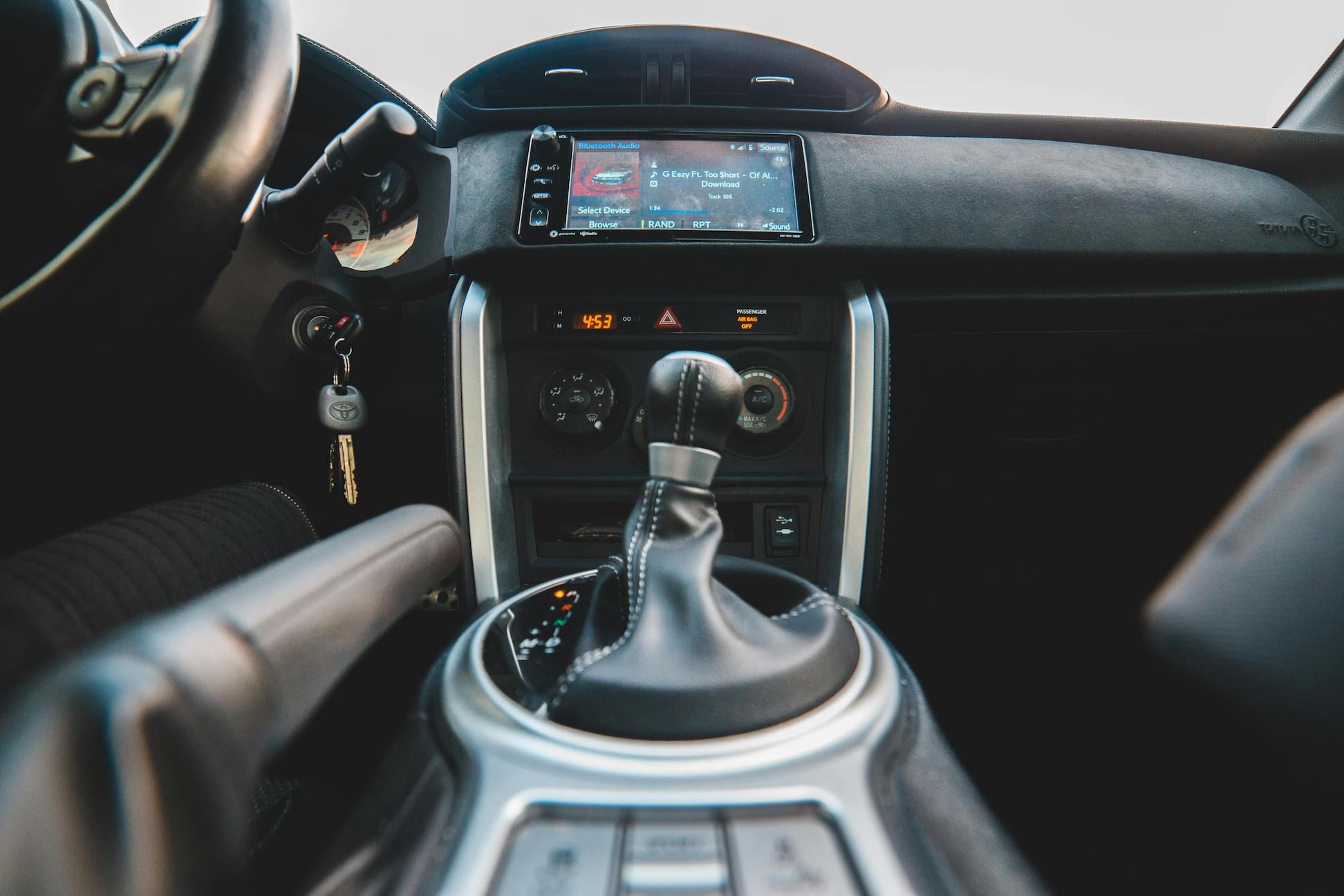 Unless you happen to be more comfortable with a stick shift/manual vehicle, we recommend trying to get an automatic car. Most folks in Spain drive a manual, but you can usually request an automatic vehicle when you reserve your rental car. You'll definitely want to do this advance, and not at the office in person. Otherwise, availability won't be guaranteed. Automatic rentals are usually higher in cost but it's worth it if you're nervous about driving in Spain, or simply want that extra peace of mind. It's one step closer to a stress-free vacation.
6. Choose a Small Car
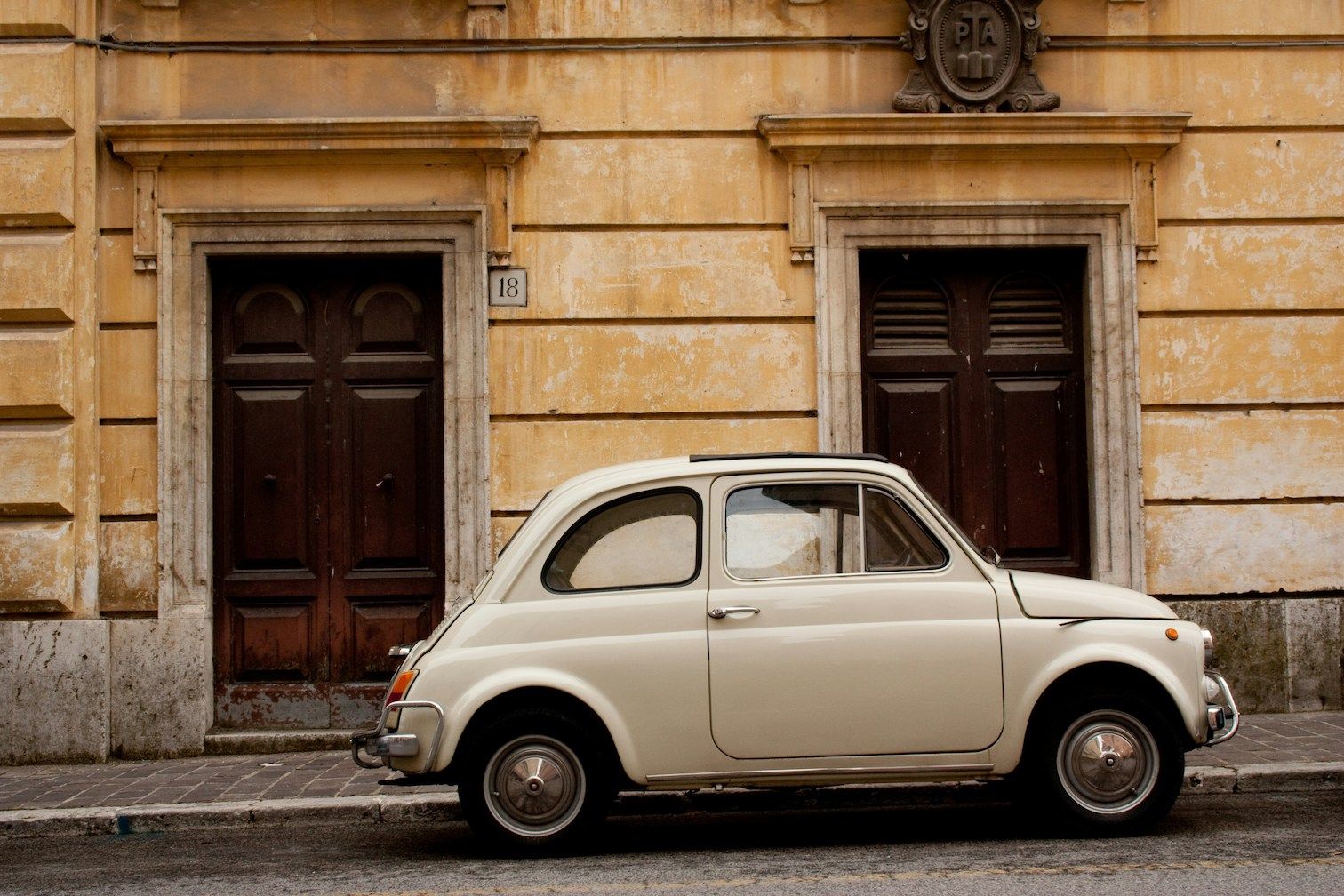 You may be inclined to a slick new SUV, but rest assured when it comes to driving in Spain and Portugal's narrow streets, the smaller the better. Unless you're carrying a lot of suitcases or you have a big family, a small vehicle is best. When you easily pull into those small parking spots and tiny garages, you'll thank us.
7. Follow These Road Rules

Most road rules in Spain and Portugal are generally the same as in the U.S.—always wear a seatbelt, green means go, don't speed, etc. But there are a few differences to keep in mind:
Kilometers
The speed limits are noted in kilometers, not miles. The primary number on your speedometer and on the highway signs is always going to be given in kilometers. Keep the speed limit and look out for sneaky radars on the highways. You're on vacation, what's the rush?
Safety Equipment
If you need to pull over on the side of the highway, you are required to put on a reflective safety vest before exiting your vehicle. If you expect to be there for more than a couple minutes, you are also required to place a reflective warning triangle behind your vehicle so other drivers can clearly see you. Your rental car should provide this for you in the glove compartment.
Fuel
When it comes time to fill up the tank, pay attention to the type of vehicle you're driving and the instructions given to you by your rental car company. In Spain, there is no leaded gasoline, just unleaded and diesel. Unleaded is called sin plomo 98 or 95 in Spanish and sem chumbo 98 or 95 in Portuguese. You may see that diesel is called gasóleo. Your rental car will likely run on 95, but double check just in case. Your credit card should work for payment, but it's always a good idea to keep cash on you just in case.
Roundabouts
Roundabouts abound in both Spain and Portugal. If you're not used to them, the general rule of thumb is that anyone already circling the roundabout has the right of way, and you should yield accordingly. Also be sure to utilize your turn signals while circling and exiting the roundabout.
Righthand Lane
While it's relatively common in the U.S. to stay in the righthand lane of any highway if you're going slower than the rest of the traffic, you'll quickly notice the importance while driving in Spain and Portugal. Unless you're actively passing someone else, stay in the right lane. Otherwise, you're likely to get tailed (or honked at) by a frustrated and hurried driver.
No Right on Red
In both Spain and Portugal it's prohibited to turn right on red. So if you're pulled up to intersection and want to turn right, you'll need to wait until the light is green.
Alcohol
If you're drinking, keep in mind Spain and Portugal's blood alcohol limit is lower, at 0.5g/l versus the U.S. 0.8g/l. A single drink can take you over the limit. If you're going to drink, take a taxi, ride share, or public transportation.
8. Watch for Pedestrians
 Pedestrians very much have the right of way in Europe. You'll find crosswalks even on the busiest of roadways, and you're always required to stop for folks. Watch out for motorcycles, bikes, and electric scooters as well, which tend to creates rules of their own. If you're driving from village to village in a rural area, you're also likely to encounter people walking along the side of road on an afternoon stroll, or see a group of cyclists. You may even come across a herd of cows, goats, or sheep! Just remember that you're not alone on the road.
9. Prepare for Tolls
 You may encounter the occasional toll in some parts of Spain. There are also still some remaining tolls in Portugal in the Porto area, but most were recently removed. At this point, the toll booth stations are still in place which can be confusing. Most places take credit card but it's always a good idea to have cash on you just in case.
10. Park with Caution
 Parking in Europe can be tricky. There's simply less space! When driving to any village or small town, it's usually best to park outside of town. Keep in mind many small villages were built hundreds of years ago (before cars) and are nestled down in valleys or up steep hills. Most towns will have lots or garages located at the entrance so you can avoid winding around narrow cobblestone streets or up precarious hills.
Before you park your car, look for any signs or road markings around you that may indicate 1) no parking, 2) loading zones, or 3) payment required. Often parking in a garage is the quickest and safest option. You'll find garages all around cities and small towns (search parking garages in Google maps!). Just make sure that once you're ready to leave, you pay at the pay station before you get into your car. These stations are usually located around the stairs and elevators. Most garages won't have pay booths at the exit.
11. Keep Your Belongings Out of Sight
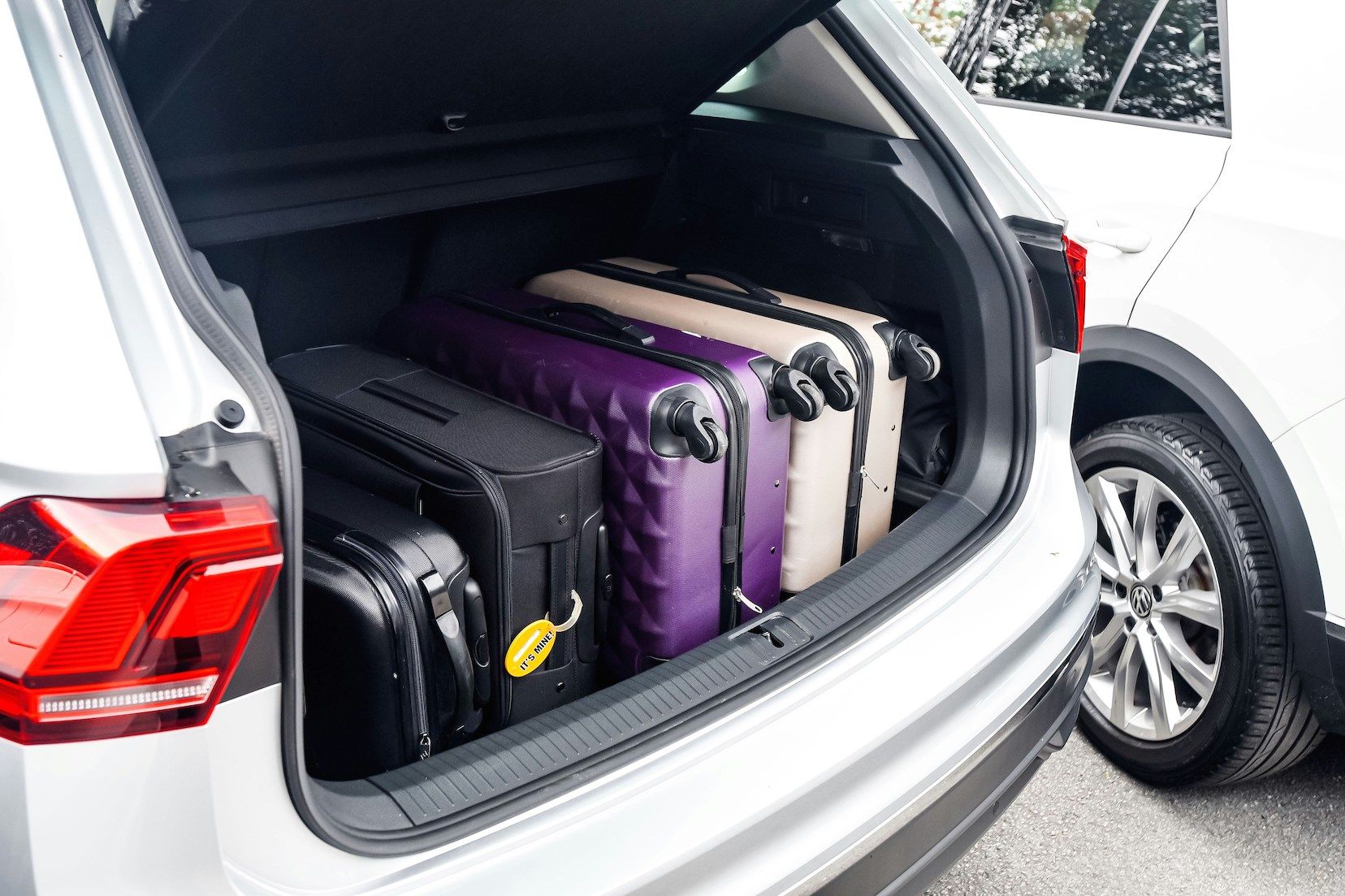 Once you've parked, it's best to keep valuables out of sight (bags, electronics, etc.), especially in big cities. Place them under the seats or in the trunk for extra safe keeping.
12. Hire a Travel Designer
Spain Savvy doesn't book rental cars for clients. We find that our clients often have a trusted provider and it's easier for them to manage it on their own. But we do search for feasible rentals for your itinerary so you have a general idea of what to expect. And it's helpful to have someone on your team who can advise you and is available if problems arise. Just make sure you book the type and size of vehicle that's right for you and will fit all passengers and luggage. Once you book, you'll send us the info and we'll add all the details and logistics into your itinerary. When you pick up the car, make sure to provide a credit card with your name on it to cover the security deposit and any extras.
13. Be Kind and Courteous on the Road
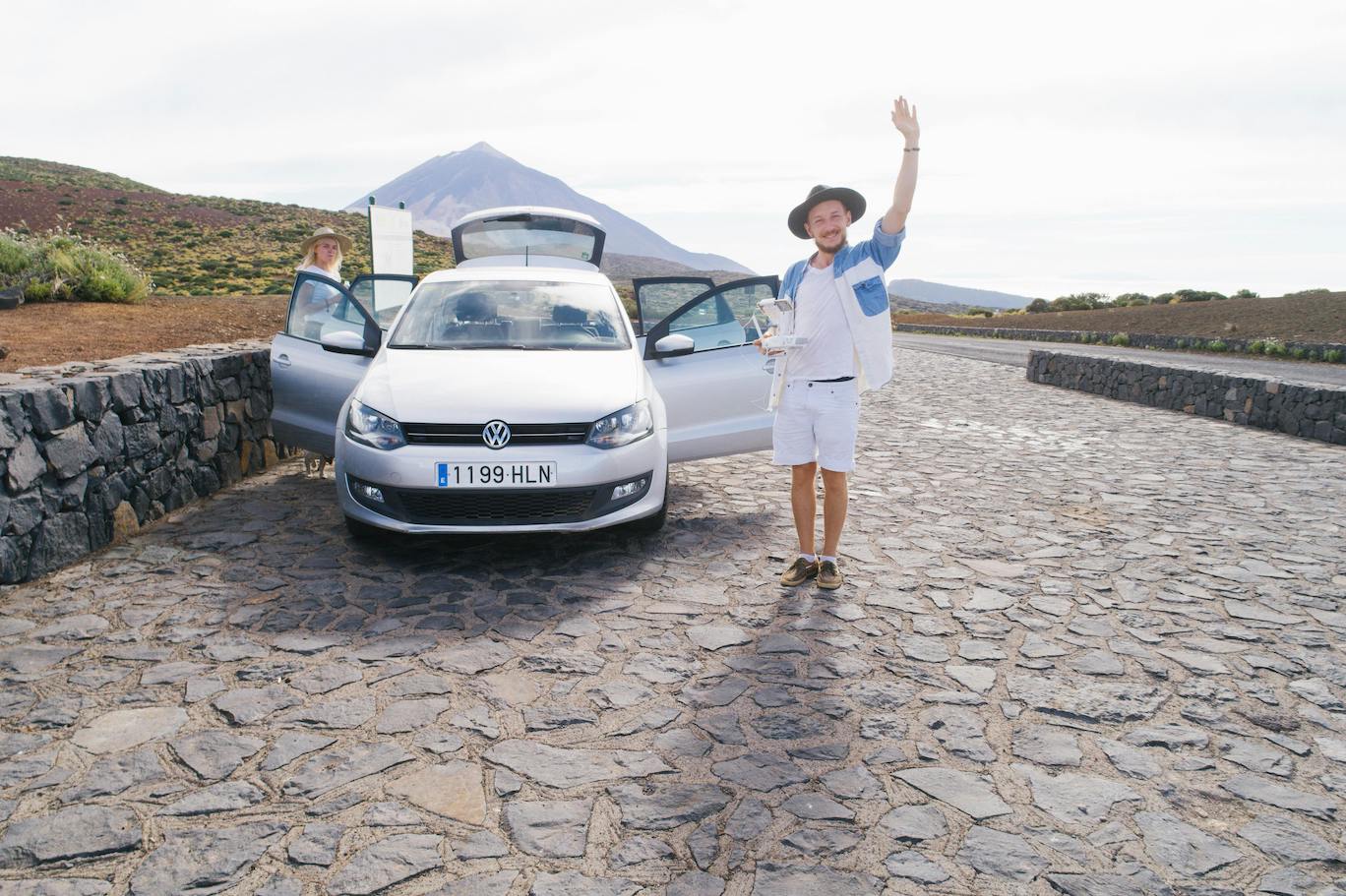 Drivers can identify rental cars on the road (usually with the rental company sticker), which means it's easy to spot tourists. Help improve tourists' reputation by being kind and courteous to other drivers. If it's your first time driving in Spain and Portugal, try to be patient with the process. Things can be slower here but that's part of the adventure.
14. Look for Hidden Treasures

The advantage of being on the road is you'll experience a whole other side of Spain and Portugal. Roadside fruit stands, gas stations selling high-quality ham, hidden villages and coastal coves, and rustic countryside dining is all accessible to you! While you have a beautifully designed itinerary to follow, there's always some room to be spontaneous. Enjoy the ride.
Want more tips on driving in Spain and Portugal? Contact your travel designer with any specific questions and we'll be sure to get you the answers. And if you're ready to get on the road and explore this exciting peninsula, reach out to us and get started on your unforgettable Spain-Portugal itinerary.

What to Do in Granada
Granada is an extraordinary place to visit. Located in the southern region of Andalusia, it's a small city at the foothills of the Sierra Nevada Mountains that receives millions of visitors a year. And for good reason. Last stronghold of the Moorish kings, it’s infused with a unique history and culture that all seems to be visible at every turn. Head to Granada and you'll be wowed by the majestic views from above and below. The city holds some of the most celebrated sites in the whole country!
But Granada is not all monuments and dusty churches. The city boasts elegant modern buildings, interactive science museums, Arab-style baths, and loads of nearby natural landscapes to explore and enjoy. There's even a delightfully laid back hippy atmosphere that still feels polished and comfortable. There's so much to do in this city! Check out some of our top picks for what to do in Granada on your trip through Spain.
Spend the Day at the Alhambra

A trip to Granada is not complete without a visit to this impressive UNESCO World Heritage Site. A stunning Moorish palace, the Alhambra is evidence of the Nasrid dynasty’s last gasp before fleeing the advance of the Christian Reconquista. It’s a sprawling complex of rooms with domed marquetry ceilings and intricate glazed tile work. The tranquil pools and gardens, with fountains and streams built into the architecture, are an oasis of beauty and calm. Book tickets in advance with Spain Savvy to avoid lines, as visitors are limited and tickets sell out months ahead. Wear comfortable footwear (it's a huge palace!) and don’t forget sun protection if you’re visiting in the spring and summer.
Wander the Albayzín
 The city’s historic Moorish quarter, the Albayzín (or Albacín) is all narrow, winding cobblestone streets, hidden nooks and crannies, and white-washed buildings. You’ll find Arab-style tea houses serving typical desserts like baklava, gazelle horns, and fragrant almond pastries. Tetería El Bañuelo is a Spain Savvy favorite, with its cozy courtyard, stunning views, and delicious spread of pastries. You can also dine or stay in a restored Carmen, traditional houses in the Albayzín separated by a high wall from the street. They're almost like secret gardens nestled into the hills, with flora-filled courtyards and coveted views of the Alhambra. Ask your Spain Savvy travel designer for recommendations tailored to your tastes and budget.
Snap a Photo at the Miradores
 Considering Granada is city built on a hill (or several) you'll not only get a little workout here and there, you'll also get some truly spectacular views. Granada has various miradores, or lookout points, from the north side of the Darro River that reveal views of the majestic Alhambra, and the Sierra Nevadas showing off in the background. If you happen to head during chillier months, you'll even get a view of those mountain peaks dusted in snow. It makes for quite the fairytale photo! The Mirador de San Nicolás is by far the most visited lookout point and worth the trek. You can also keep going further up from that point to the Mirador de San Miguel Alto, which is a bit less crowded and more popular amongst locals. The sunsets from both are unforgettable.
Search for Free Tapas
 When it comes to dining, Granada is known throughout Andalusia for its free tapas. Anytime you order a beverage, be it a glass of wine or a soda, many bars will also offer you a free tapa. You can occasionally choose, but most spots serve you the house tapa or tapa of the day. Los Manueles on Reyes Católicos, just around the corner from the Cathedral, is a classic traditional Andalusian tapas bar worth visiting. We were once served a delicious and monstrous pork meatball with our glass of tempranillo! We also love Los Diamantes for the best fried fish and seafood in town. Other free tapas you might come across vary from rice dishes to Iberian ham to spicy chicken skewers. It's a fun culinary adventure you can't miss! We'll be sure to add on some additional personal recommendations for your trip.
Soak in the Arab Baths

Next to the Darro River, with the Alhambra towering above, are Granada's Arab baths—the Hammam Al Ándalus. Built into the original ancient Arab baths of the period, the spa and bath experience feels like stepping back in time. It's an ideal place to relax and escape the hustle and bustle of the city, while still feeling like you're having a unique local experience. There are various packages to choose from and each includes a 90-minute "Water Journey," where you can migrate from salt pools to ice pools to jacuzzi-style baths. Add on a massage or other highly recommended treatments to renew those tired traveler's legs.
Visit the Science Park

If you're looking for something to do in Granada on a rainy day, Parque de las Ciencias is a great option. It's also just a fascinating place. And if you’re traveling with kids, even better. All the exhibits are interactive and there’s loads to do. Biodome. Butterfly House. Learn about birds of prey with a daily display of falconry. There’s even a planetarium.
Head to the Beach
 It's hard imagine that white sands and crystal waters are just an hour away when you're nestled into the hills of the city. But it's true! Escape the summer heat and take advantage of the many beaches and coves along the Costa Tropical of Granada, all within about 50 miles from the city. Puerta del Mar, Playa de la Guardia, Playa La Rijana, and La Herradura are all fantastic and close options. Each has its own attraction, bet it family-friendly or a more tourist-free hideaway.
Hit the Slopes
 Skiing in Spain? Yes, you heard us right! The snow-capped Sierra Nevada mountains, which cozy up to the city, are less than an hour's drive away. Ski season usually runs from the beginning of to December through the end of March. A one-day pass is very affordable at just 30€ for adults and 25.50€ for kiddos. You can also rent the necessary snow gear like skis and snowboards in case you don't feel like schlepping your gear own across the country.
Granada really does have something for everyone. Here at Spain Savvy we almost always recommend it as a stop on any itinerary through southern Spain. Ready to add it to your trip? Contact us today and get started on that dream custom itinerary through Spain!