



Renting a car is a fantastic way to see both Spain and Portugal. With the freedom to roam, you’ll discover parts of the countryside and local life you wouldn’t otherwise be able to encounter. And while the countries’ major cities are definitely worth your while, smaller villages and towns along the coast or in rural areas definitely deserve your time too. Driving in Spain and Portugal is fairly straightforward. But there are a few things to keep in mind before heading out. Here’s what you need to know:
1. Get Your International Driver’s License
 You’ll need more than your passport to rent a car when driving in Spain and Portugal. And we recommend more than a U.S. driver’s license. We always advise our clients apply for an international driver’s license (IDP) before heading out. Luckily it’s a quick and easy process and will only set you back $20. Just head to AAA for more info. You can apply in person at the nearest AAA office or apply by mail.
2. Use a Car Only When Necessary

While a car is the most efficient and comfortable way to get around most places in the U.S., it’s not always the case in Spain and Portugal. If you’re only hoping to hit major cities—say you’re hopping from Barcelona to Madrid to Seville, with an occasional day trip in between—there’s no need to drive at all! Spain and Portugal’s major cities are best explored on foot or via public transportation. And many touristed towns can be accessed by train for day trips. Parking in big European cities tends to be complicated and expensive. Thus, a train or quick plane ride is the quickest and most comfortable way to get from city to city. (Read more Tips on Traveling in Spain by Train.)
3. Drive with Ease
 Driving in Spain and Portugal is relatively easy. Highways are well-marked, fairly well-paved, and safe. Use Google Maps for directions and you’ll have few issues getting to your next destination.
4. Determine the Right Pickup and Drop-Off Location
 When it comes time to rent a car, it’s good to keep in mind your pickup location. Many rental car offices have pickup spots right at the airport, close to the airport, or in town near train or bus stations. While it may seem convenient to rent the car right in town, it can sometimes be more complicated to get out the city. It all depends on your travel plans. Flying in? Snag a car at the airport. Taking the train? Rent from there. Not sure the best option? Spain Savvy can help with the coordination.
5. Rent an Automatic Car
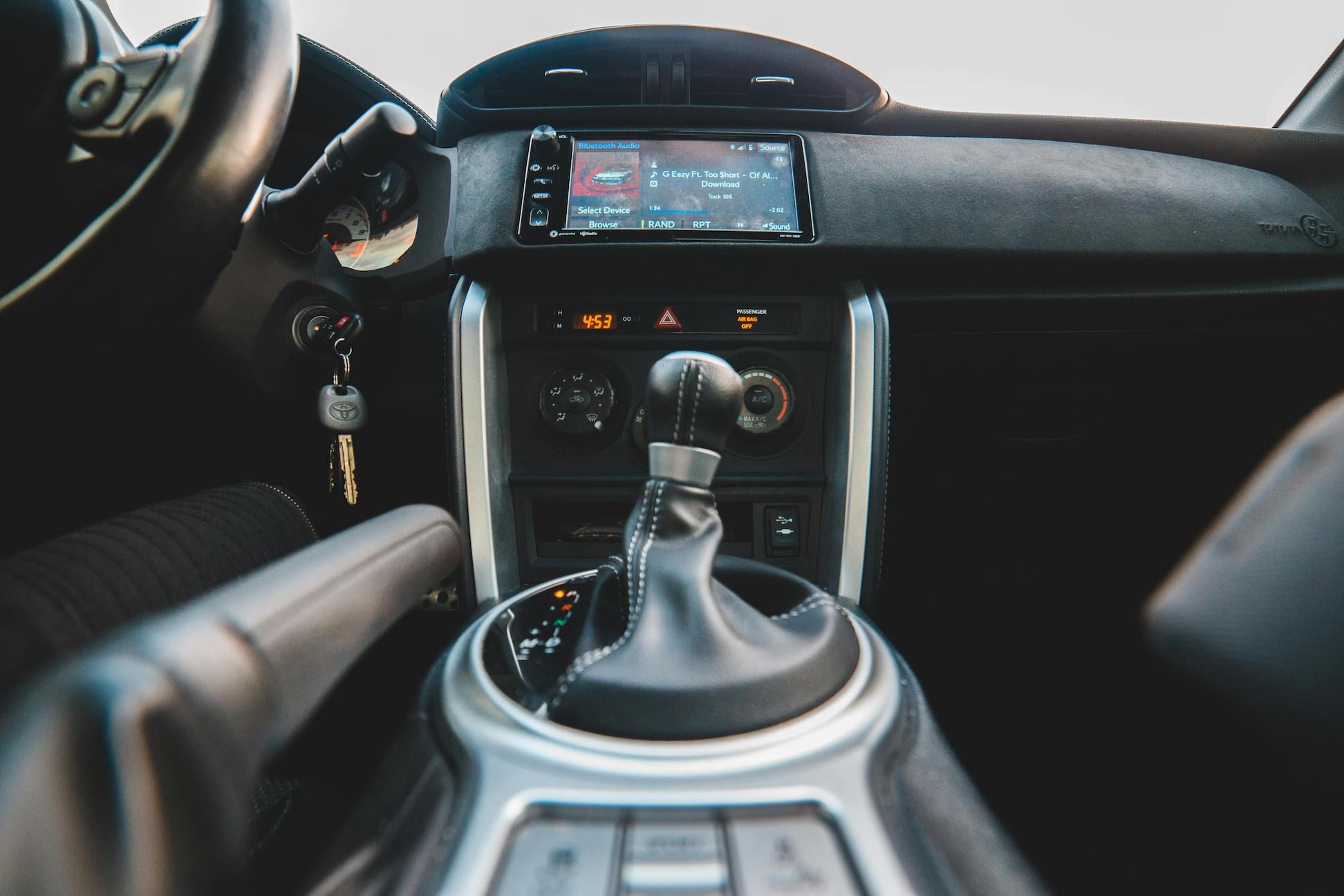 Unless you happen to be more comfortable with a stick shift/manual vehicle, we recommend trying to get an automatic car. Most folks in Spain drive a manual, but you can usually request an automatic vehicle when you reserve your rental car. You’ll definitely want to do this advance, and not at the office in person. Otherwise, availability won’t be guaranteed. Automatic rentals are usually higher in cost but it’s worth it if you’re nervous about driving in Spain, or simply want that extra peace of mind. It’s one step closer to a stress-free vacation.
6. Choose a Small Car
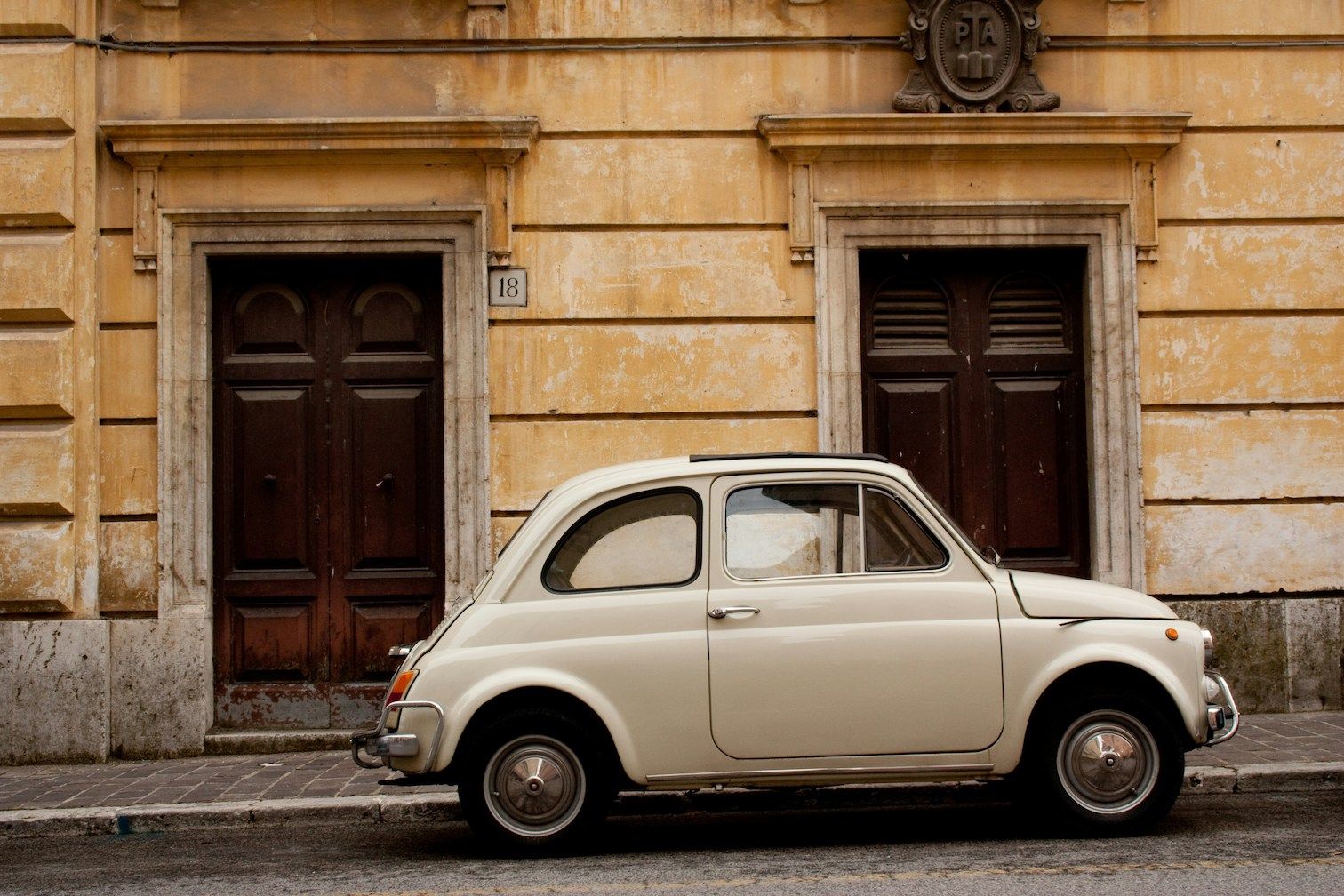 You may be inclined to a slick new SUV, but rest assured when it comes to driving in Spain and Portugal’s narrow streets, the smaller the better. Unless you’re carrying a lot of suitcases or you have a big family, a small vehicle is best. When you easily pull into those small parking spots and tiny garages, you’ll thank us.
7. Follow These Road Rules

Most road rules in Spain and Portugal are generally the same as in the U.S.—always wear a seatbelt, green means go, don’t speed, etc. But there are a few differences to keep in mind:
Kilometers
The speed limits are noted in kilometers, not miles. The primary number on your speedometer and on the highway signs is always going to be given in kilometers. Keep the speed limit and look out for sneaky radars on the highways. You’re on vacation, what’s the rush?
Safety Equipment
If you need to pull over on the side of the highway, you are required to put on a reflective safety vest before exiting your vehicle. If you expect to be there for more than a couple minutes, you are also required to place a reflective warning triangle behind your vehicle so other drivers can clearly see you. Your rental car should provide this for you in the glove compartment.
Fuel
When it comes time to fill up the tank, pay attention to the type of vehicle you’re driving and the instructions given to you by your rental car company. In Spain, there is no leaded gasoline, just unleaded and diesel. Unleaded is called sin plomo 98 or 95 in Spanish and sem chumbo 98 or 95 in Portuguese. You may see that diesel is called gasóleo. Your rental car will likely run on 95, but double check just in case. Your credit card should work for payment, but it’s always a good idea to keep cash on you just in case.
Roundabouts
Roundabouts abound in both Spain and Portugal. If you’re not used to them, the general rule of thumb is that anyone already circling the roundabout has the right of way, and you should yield accordingly. Also be sure to utilize your turn signals while circling and exiting the roundabout.
Righthand Lane
While it’s relatively common in the U.S. to stay in the righthand lane of any highway if you’re going slower than the rest of the traffic, you’ll quickly notice the importance while driving in Spain and Portugal. Unless you’re actively passing someone else, stay in the right lane. Otherwise, you’re likely to get tailed (or honked at) by a frustrated and hurried driver.
No Right on Red
In both Spain and Portugal it’s prohibited to turn right on red. So if you’re pulled up to intersection and want to turn right, you’ll need to wait until the light is green.
Alcohol
If you’re drinking, keep in mind Spain and Portugal’s blood alcohol limit is lower, at 0.5g/l versus the U.S. 0.8g/l. A single drink can take you over the limit. If you’re going to drink, take a taxi, ride share, or public transportation.
8. Watch for Pedestrians
 Pedestrians very much have the right of way in Europe. You’ll find crosswalks even on the busiest of roadways, and you’re always required to stop for folks. Watch out for motorcycles, bikes, and electric scooters as well, which tend to creates rules of their own. If you’re driving from village to village in a rural area, you’re also likely to encounter people walking along the side of road on an afternoon stroll, or see a group of cyclists. You may even come across a herd of cows, goats, or sheep! Just remember that you’re not alone on the road.
9. Prepare for Tolls
 You may encounter the occasional toll in some parts of Spain. There are also still some remaining tolls in Portugal in the Porto area, but most were recently removed. At this point, the toll booth stations are still in place which can be confusing. Most places take credit card but it’s always a good idea to have cash on you just in case.
10. Park with Caution
 Parking in Europe can be tricky. There’s simply less space! When driving to any village or small town, it’s usually best to park outside of town. Keep in mind many small villages were built hundreds of years ago (before cars) and are nestled down in valleys or up steep hills. Most towns will have lots or garages located at the entrance so you can avoid winding around narrow cobblestone streets or up precarious hills.
Before you park your car, look for any signs or road markings around you that may indicate 1) no parking, 2) loading zones, or 3) payment required. Often parking in a garage is the quickest and safest option. You’ll find garages all around cities and small towns (search parking garages in Google maps!). Just make sure that once you’re ready to leave, you pay at the pay station before you get into your car. These stations are usually located around the stairs and elevators. Most garages won’t have pay booths at the exit.
11. Keep Your Belongings Out of Sight
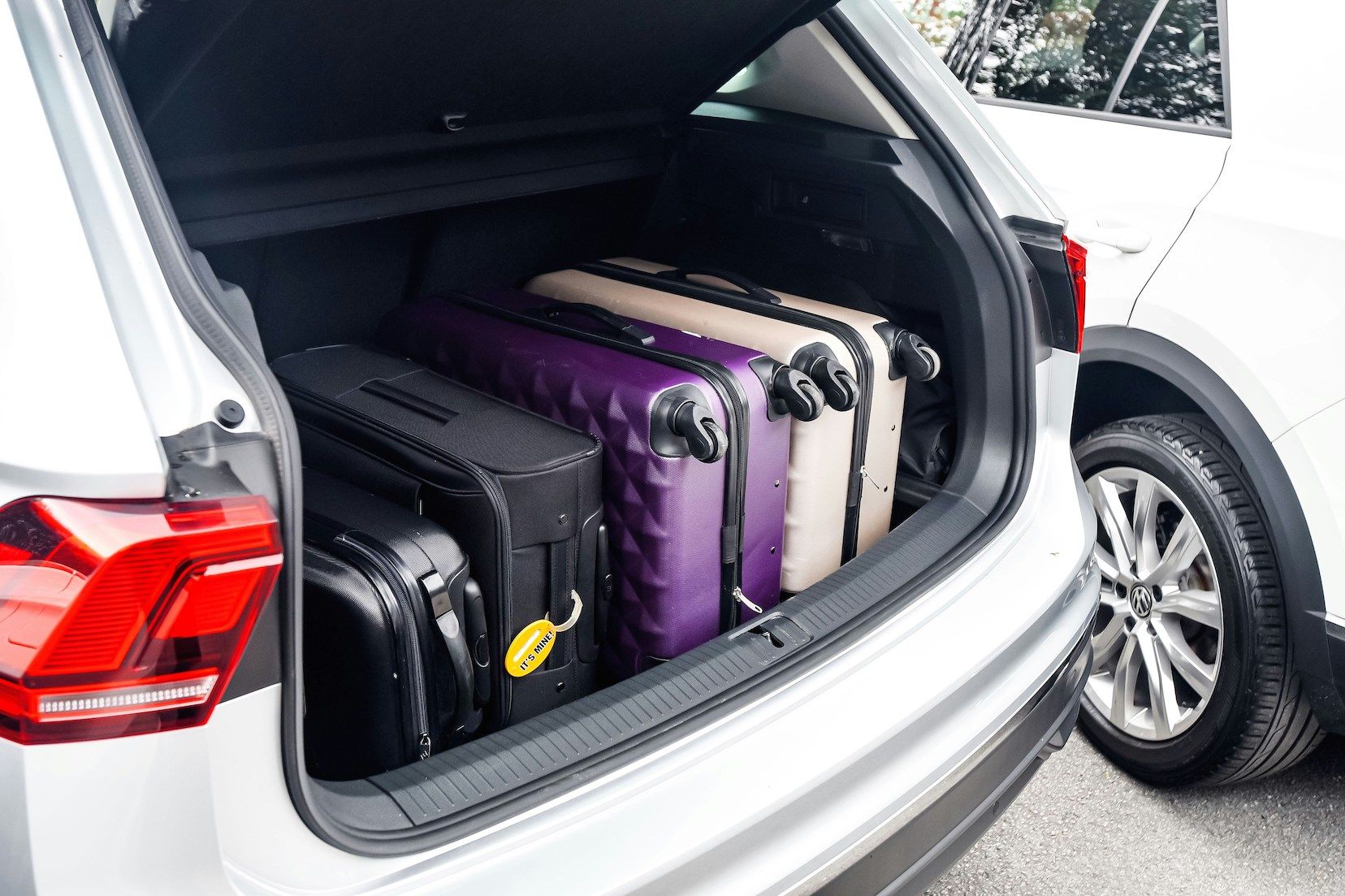 Once you’ve parked, it’s best to keep valuables out of sight (bags, electronics, etc.), especially in big cities. Place them under the seats or in the trunk for extra safe keeping.
12. Hire a Travel Designer

Spain Savvy doesn’t book rental cars for clients. We find that our clients often have a trusted provider and it’s easier for them to manage it on their own. But we do search for feasible rentals for your itinerary so you have a general idea of what to expect. And it’s helpful to have someone on your team who can advise you and is available if problems arise. Just make sure you book the type and size of vehicle that’s right for you and will fit all passengers and luggage. Once you book, you’ll send us the info and we’ll add all the details and logistics into your itinerary. When you pick up the car, make sure to provide a credit card with your name on it to cover the security deposit and any extras.
13. Be Kind and Courteous on the Road
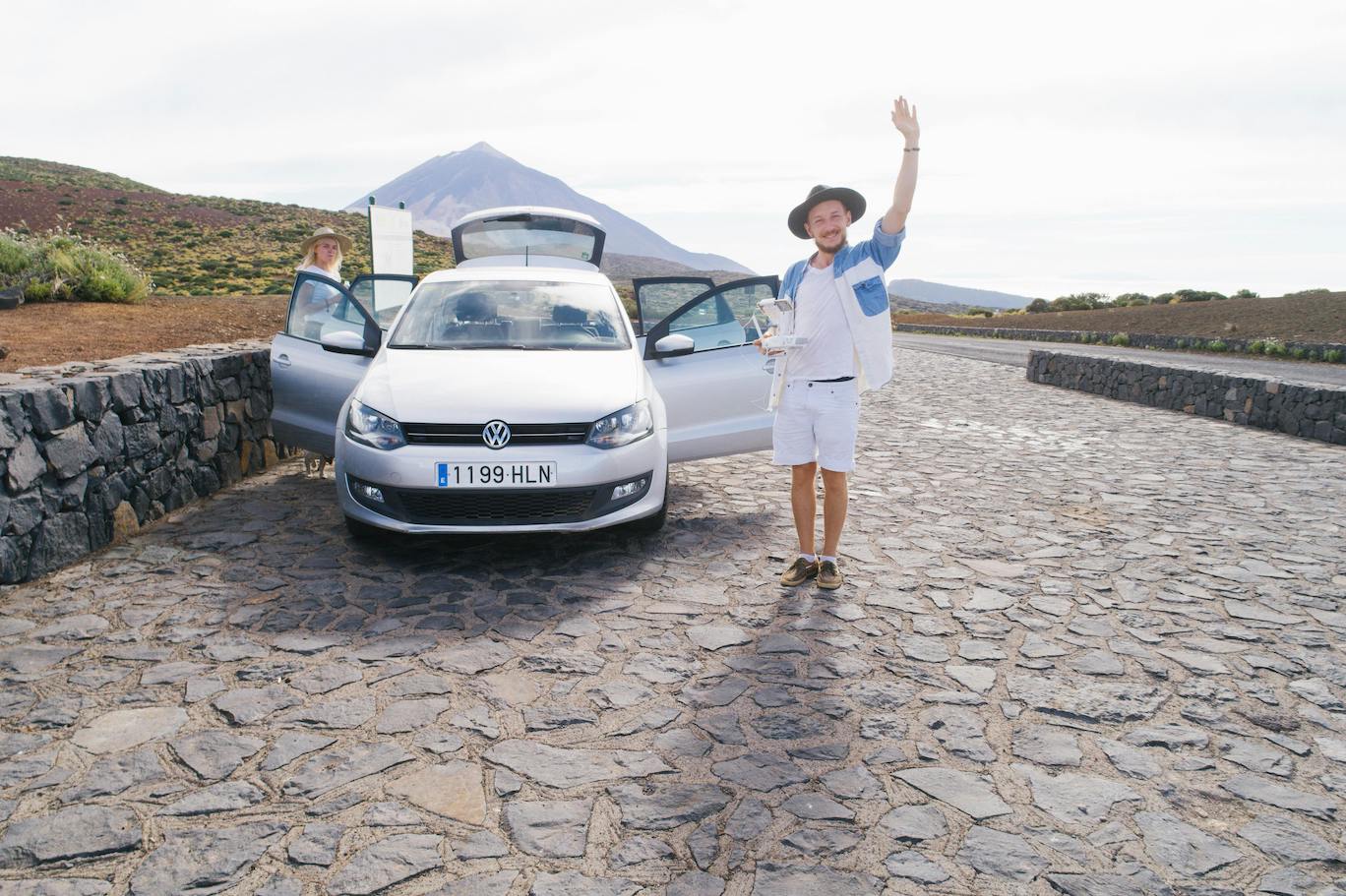 Drivers can identify rental cars on the road (usually with the rental company sticker), which means it’s easy to spot tourists. Help improve tourists’ reputation by being kind and courteous to other drivers. If it’s your first time driving in Spain and Portugal, try to be patient with the process. Things can be slower here but that’s part of the adventure.
14. Look for Hidden Treasures

The advantage of being on the road is you’ll experience a whole other side of Spain and Portugal. Roadside fruit stands, gas stations selling high-quality ham, hidden villages and coastal coves, and rustic countryside dining is all accessible to you! While you have a beautifully designed itinerary to follow, there’s always some room to be spontaneous. Enjoy the ride.
Want more tips on driving in Spain and Portugal? Contact your travel designer with any specific questions and we’ll be sure to get you the answers. And if you’re ready to get on the road and explore this exciting peninsula, reach out to us and get started on your unforgettable Spain-Portugal itinerary.