




Our 7 Favorite Holiday Gifts from Southern Spain
Andalusia, the southernmost region of Spain, is a fantastic place to spend the holidays. The weather is mild, the streets twinkle with a spectacle of extravagant lights, and the sweet smoke of roasted chestnuts clouds the cities and towns. And with King’s Day rounding out the celebration on January 6th with its epic parades, the festivities never seem to end. It's also the best time to take home some holiday gifts from southern Spain.
Whether you’re traveling to Spain during the holidays, or simply hoping to fill your suitcase with Andalusian Christmas gifts, there are tons of treasures to bring back home for family and friends. So head to the Christmas markets, or simply wander the endless stores and stalls and look for a few of our favorite holiday gifts from southern Spain. There’s no better way to celebrate than bringing back a travel memory.
Olives in Every Form

Andalusia’s agricultural pride and joy is the olive. Seas of olive trees cover the region, lending to some other-worldly olives and oils you’ll find on every table and dish in the south. You could very well bring back a big jar of fat green Andalusian olives, but that’s just the beginning of olive-centered gifts. A bottle of high-quality extra-virgin olive oil from is perfect for the foodie in the family, or look for olive oil soaps, lotions, and even chocolates.
Azahar Scents

Azahar is the quintessential orange flower that blossoms and covers the city of Seville in a fragrant aroma, announcing the commencement of spring. These blossoms only hang around for a few weeks, but not to worry. You can get these scents in perfumes, lotions, candles, and even a bottle of specialty Tanqueray gin all year round.
Canned Seafood

If chicken of the sea just came to mind, think again. Conservas are Spain’s answer to preserving their best and brightest seafood. You’ll even see these cans served at great tapas bars paired with local wines. Think perfectly salted anchovies, juicy hunks of tuna, and mussels swimming in a garlicky escabeche sauce. Conservas are lightweight, inexpensive, and pack a whole lot of flavor. They also make killer stocking stuffers.
Flamenco Fanfare

Andalusia is the birthplace of flamenco. And after seeing a flamenco show while you’re in town, chances are you’ll want to take back a little flamenco flair of your own. Your own flamenco dress may not fit in the suitcase, but a bright shawl with long, swaying tassels and hand-stitched florals definitely will. A painted fan is sure to fit in your bag too, along with kids’ flamenco dresses. which are great for kiddos who love to play dress up. And for the musician in the family? Grab a set of castanets.
Ceramics

Ceramics are everywhere in the south, from palaces to restaurants to patio entryways. The craft was perfected by the Moors who ruled in the country for 500 years, leaving a powerful legacy specifically in Andalusia. The craft has evolved over the centuries and you’ll find shops selling all sorts of colorful hand-painted tiles, plates, bowls, and the sort. Granada has a particularly unique blue and turquoise pomegranate design people fawn over, or check out the Triana neighborhood in Seville for some of the best.
Local Wine

A bottle of Spanish wine is a gift everyone on your list will love, especially a southern wine. Andalusian wines are particularly difficult to find outside of Spain, which is why bringing a bottle (or a case) home is worth the effort. Most wine shops or wineries you visit on your travels can ship directly to the US if you don’t have room for all of them in your checked bag. And don’t forget to add a sherry wine in there to show your friends and family a true taste of Andalusia.
Christmas Sweets

Once December 1st rolls around (or even November) the stores fill up with an array of Spanish Christmas sweets. There are spiced almond cookies, fried honey delights, and sweets made by the nuns themselves. Snag an assortment at any grocery store or pastry shop while you’re in town and share a classic holiday gift from southern Spain. They always come in an antique decorative tin, meaning one less present you have to wrap this year.
Looking to head to Spain next holiday season? Let us make your trip the most memorable part of the year. Contact us today to start planning!

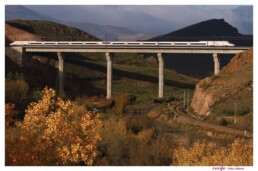
Tips on Traveling in Spain by Train
Train travel is one of the absolute best and easy ways to get around Europe, Spain included! The cities are well-connected, trains are super fast, the transport is especially comfortable, and the lines drop you right in the center of the action. It's also exciting! Traveling in Spain by train allows you to see parts of the country you may not have seen otherwise had you traveled by plane or been focused on navigating the roads.
For folks who don't want to deal with a rental car or are simply traveling from one major city to another, we always recommend traveling in Spain by train. If you're not familiar with train travel, it may seem initially confusing or even overwhelming. But with these insider tips you're sure to be a savvy Euro train traveler in no time.
Check routes
Spain has a number of high-speed trains that get you from one major city to another in no time. But don't assume that there is a direct high-speed train from the center of Madrid to that small beach town in Catalonia you're headed to. Check train routes before planning your trip so you know exactly how to get from one place to the next and can avoid unwanted surprises. Also keep in mind that there are still not train lines connecting Spain and Portugal. Any travel from those two countries must be done via rental car, bus, or private transfer.
Book in advance
Like airline tickets, train prices fluctuate based on availability and demand. Most train schedules will be available about three months out and increase in price as you get closer to the travel date. The tricky part is they don't always release all of the routes immediately, and some are released just a month beforehand. If you see a train time that works for your schedule now, buy it as soon as possible. But if you're not seeing the exact date, check back in every week to see what routes are added.

Check trip durations
In Spain, the majority of trains are run by RENFE (Red Nacional de los Ferrocarriles Españoles). RENFE operates trains from city to city, including the AVE, which is the country's high-speed train. Though you're bound to find AVEs running from major cities throughout the day, make sure you check the trip duration before booking. You may be enticed by a cheap ticket only to find that your 2.5 hour trip from Seville to Madrid just turned into 5.
Book flexible tickets
When it comes time to book your tickets, you'll notice there are a few different options for the actual type of tickets you can purchase. Like with some airlines, there are options for flexible tickets that allow you to make changes to your reservation or even cancel them altogether. Though it will cost you a few extra euros, it's definitely worth it to buy a flexible ticket. Plans change, trips are delayed, and you never know when you'll need to switch things up.
Credit cards
Unfortunately, sometimes U.S. credit cards won't work on the RENFE website. There's nothing wrong with your card, the block is just there for security reasons. To prevent this, keep a few credit cards handy or notify your bank of the purchase, which could help push the transaction through. If your card happens to have Verified by Visa, this will often do the trick too. And if all else fails, a travel designer is an ideal partner to help handle all foreign transactions and bookings.

Print your ticket
When traveling in Spain by train, you want to make sure you have your ticket handy before you hop on. Download it to your phone via applications like your Spain Savvy app for easy access and to avoid misplacing a paper document. Printing off your ticket before you arrive isn't necessary, but you can definitely do so if it makes you feel more at ease. To print something off while in Spain, you can either ask your hotel concierge or head to a local copistería (copy shop).
Arrive on time
It goes without saying that you should arrive on time for your scheduled train. Unlike planes, trains tend to leave exactly on the minute they're scheduled, and there's not going to be a gate agent calling your name if you're not on it. So show up a little early (especially if you have a lot of luggage) and hop on before it leaves the station.
Give yourself a travel margin
Say you're flying into Madrid and hopping on a train down south to Seville that same day. While we totally recommend this form of travel, we also always recommend a 3-hour minimum margin to get from the airport to the train station. Many airports (like Madrid or Barcelona) do have train connections from the airport to the central train station (though a taxi is another great option), but it's still a good idea to give yourself some time to account for baggage pickups, customs, and any potential delays.

Check out luxury rails
Spain's Al Ándalus rail was designed in the 1920s and consists of seven suite-style train cars. The train was originally used by British royalty to travel from Calais to the Blue Coast in France, but the train cars have been totally restored for modern travel. In the new suites you can enjoy comfy beds, impeccable restaurant service (don’t forget the cocktails and a mini bar in every room), laundry service, and live music. Their 7-day train takes you through Jerez, Ronda, Granada, Úbeda, Baeza, and Córdoba. Or, spend some time in Portugal on the 4-day route through Mérida, Lisbon, and Porto.
Check out new cheaper rails
RENFE has essentially had a monopoly on the Spanish rails for decades. But recently the government opened up the market to other companies, which are starting to offer more economical options from some of the bigger cities. There is already a line from Madrid to Barcelona, but keep your eyes and ears peeled for other cities opening up soon.
Book with an expert
The best thing you can do to avoid any confusion is to book your trains with someone who speaks knows the rail system and also Spanish. The RENFE website is incredibly confusing even for locals, and the translated version isn't much better. So when it comes time to traveling in Spain by train, find a Spanish-speaker, or leave it to your travel designer to handle the logistics for you.
Ready to book trains through Spain? Reach out to us and we'll be happy to help you design the trip of lifetime, trains and all.

Fave Properties: The Top 12 Hotels in Seville
Whether you want intimate and boutique or grand and palatial, Seville hotels offer an impressive spread of charming accommodations to suit every taste. Many hotels in the city feature spectacular rooftop terrace bars where you can enjoy a glass of wine or gin and tonic whil surveying the breathtaking views, and most have swimming pools for those hotter months. Though the options are seemingly endless in this magical city, these are our picks for the top hotels in Seville.
Pájaro Rebelde

Fueled by a desire to share this spectacular space, French couple Olivier and Sophie Danan converted their 19th-century palace home into a stylish bed and breakfast. They employed their penchant for design with their love for the baroque and mudéjar styles already built into the space, like the colorful glass doors and geometric tiles on the walls. The boutique house in the San Lorenzo neighborhood features just seven uniquely designed rooms, each with views of the large traditional Andalusian courtyard where you can lounge amongst the orange trees and enjoy the exceptional homemade breakfast. Personal touches throughout the three-story palace from the couple’s travels, along with their warm hospitality, are a comforting reminder that you’re home away from home.
C/ Martínez Montañés 27, 41002, Sevilla, Spain
Las Casas Del Rey De Baeza

Along with comfortable, crisp rooms and a fantastic location that is quiet and serene, this hotel may have one of the most beautiful lobbies in the city. A tranquil Andalusian courtyard, cozy lounge areas with big leather couches, and lush gardens, are the pride of this top hotel in Seville. Of course, you'll definitely want to explore the area. The winding streets of Santa Cruz that lead to this ancient farmhouse are totally picturesque and close to the major monuments and lively plazas like Alfalfa.
Pl. Jesús de la Rendición 2, 41003, Sevilla, Spain
hospes.com/en/casas-rey-baeza/
Alfonso XIII

Built by King Alfonso XIII to accommodate the Spanish royal family for the 1929 World's Fair, this landmark hotel has a decidedly regal design with 148 rooms and suites. It's an experience from the moment you walk into the space, with its chandeliers and magnificent entrance. The cocktail bar screams old-world glamour, with blue velvet banquettes and gold bar stools, while Ena (named after the king's English wife) has excellent innovative tapas served in the quiet courtyard. In the summer, the palm-shaded garden with a pool is a welcome haven. And famous folks like Tom Cruise, Cameron Diaz, the cast of Game of Thrones, and President Barack Obama have called this place home while in Seville.
C/ San Fernando 2, 41004 Sevilla, Spain
marriott.com/en-us/hotels/svqlc-hotel-alfonso-xiii-a-luxury-collection-hotel-seville/
Mercer Seville

A designer mansion down a quiet yet central street in the Arenal district, this 12-room hotel conversion was done by Sevillano architects Cruz y Ortiz, who also designed the Rijksmuseum’s extension. At Mercer, the service is flawless, with elegantly dressed staff always ready to cater to your every need. Food at the Maria Luisa restaurant is superb, beautifully presented, and the creative cocktails in the bar are a must. The arcaded patio and sweeping curved staircase, along with stylish rooms, are a reminder you're experiencing grand luxury Seville-style.
C/ Castelar 26, 41001, Sevilla, Spain
https://www.mercersevilla.com/
Casa 1800

An olive pit’s throw from the cathedral, this charming converted palace has two lovely patios where you can have breakfast and complimentary afternoon tea. Décor is exposed brick mixed in with gilt, which works well in the 33 rooms with some of the most comfortable beds in town. The rooftop pool has a superb view of the cathedral, which seems close enough to touch. Here, in the heart of the action, you’re well-placed for a morning jaunt into the old Jewish quarter in Santa Cruz, and right next to great local tapas bars or more gourmet spots.
C/ Rodrigo Caro 6, 41004, Sevilla, Spain
https://www.hotelcasa1800sevilla.com/en/
Palacio de Villapanés

A ducal palace, complete with magnificent stone entrance and massive coat of arms on the staircase, this has that aristocratic feel, while also boasting some sleek contemporary furniture. It has a slightly out of the way location, less central but quieter. Additionally, you’re at the Setas in less than ten minutes. You can also wind your way through the back streets to Santa Cruz, avoiding the busier thoroughfares. Their suites have high ceilings and mid-century furniture, plus fab welcome packs with local olive oil cookies and sangria. For light indulgence, the mini-spa in the basement, with steam room and Roman foot bath, is a nice touch after a day of walking the streets.
C/ Santiago 31, 41003, Sevilla, Spain
https://coolrooms.com/palaciovillapanes/
Raddison Collection Magdalena

Somewhat unassuming on the exterior, this sleek 5* hotel in the Plaza Magdalena is anything but. The mid-century modern entrance with its sprawling but quiet lobby, is a great place to relax before heading out and exploring. And here, you're just minutes away from some of the city's most important monuments and some top-notch shopping. The rooms have fantastic views from the various balconies and are elegantly designed with modern luxuries. Service is especially stellar at this spot, especially when it comes to the hotel's restaurant, Eneko BASQUE, by Michelin star chef Eneko Atxa.
Pl. de la Magdalena 1, 41001 Sevilla, Spain
https://www.radissonhotels.com/en-us/hotels/radisson-collection-magdalena-plaza-sevilla
Corregidor Boutique Hotel

This newly remodeled spot is just north of the center of town in the Alameda area, a funky bar-centric neighborhood that feels refreshingly different from the more traditional areas of Seville. Even so, the architecture and design of the boutique hotel still feels authentically Andalusian. This spot also has excellent Family Rooms, so kiddos and groups sleep comfortably. Most importantly, the small rooftop pool is a total luxury! And as with all H10 hotels, the breakfast spread is unbeatable.
C/ Amor de Dios 34, 41002, Sevilla, Spain
Casa de La Plata

Located in the main shopping area, between El Salvador church and Plaza Encarnacion, this hotel has an eclectic yet warm décor. The location is very central, but as it’s a shopping area, it’s quiet in the evening and on Sundays. Within five minutes’ walk, you have more color-coordinated shoes, fans, flamenco dresses, and jewelry than a troupe of Seville fair goers. Meanwhile, the ground floor area is extremely spacious for a Seville hotel, with huge sink-into sofas, for a homely feel. We also love the traditional touches such as wooden floors and splashes of sunny yellow in the rooms, the traditional albero color of the city.
C/ Lagar 2, 41004, Sevilla, Spain
Hotel Kivir

Overlooking the river Guadalquivir (hence the name), this contemporary hotel boasts a rooftop terrace with superb views over the iconic Triana bridge, which looks especially spectacular at night. Here, you're perfectly placed to explore both sides of the river– Triana, with its market, ceramic tile shops, and flamenco bars, and the downtown area. Rooms are smart, modern, and comfortable with wooden floors and coffee machines; premiums have their own private terrace. Along with the rooftop bar, there’s also a sidewalk café and a ground floor restaurant serving contemporary Mediterranean cuisine.
Pº de Cristóbal Colon 3, 41001, Sevilla, Spain
Legado del Alcazar

With balconies and roof terraces which overlook the Alcázar gardens, this delightful boutique hotel has one of the most privileged positions in the city. It’s also steps from the cathedral, yet in a quiet location. It has heaps of character, from the floor tiles in the breakfast room/bar to the peacock painting in the patio (the peacocks from the palace used to roost here). But best of all is being next to the historic palace’s gardens. If your idea of heaven is lounging in an outdoor bath on a bougainvillea-covered balcony with treetop views, this is your place. Also, if you’re an archaeology fan, then a ground floor room with a Moorish well or Roman remains under the glass floor is for you.
C/ Mariana de Pineda 18, 41004, Sevilla, Spain
https://legadoalcazarhotel.com
Querencia de Sevilla

This new property set at the footsteps of the city's towering cathedral, is truly exceptional. Housed in the former Bank of Andalusia, the modern design and details focus on honoring Seville culture and tradition, as well as showcasing the artisanship of the city. Rooms are gorgeous, prioritize comfort and design, and have coveted views of the cathedral. What's more, the rooftop bar or pool has even more privileged vistas for soaking in the city below. A five-star experience in Seville has never looked so good!
C/ Fernández y González 5, 41001, Sevilla, Spain
Spain Savvy regularly includes these properties for our clients' stays in Seville. Contact us today and we'll be sure to find the top hotel in Seville that fits your needs!

Spain Savvy's Guide to Barcelona
Barcelona is by far one of the most coveted destinations in Spain. With endless activities, so many magical streets to explore, next-to-perfect accommodations, and some of the most highly-awarded food and drink in the country (dare we say the world?), it's no wonder that thousands flock to this northeastern region at exceptional rates.
This year we made a couple trips to the city to dial in on some of our favorite spots and get the scoop on new openings and activities. These research and development trips help ensure we have a wide variety of recommendations for all of clients.
If you've never been to Barcelona, this is a great starting off point. And it will surely get you excited to add it to your itinerary!
How to Get to Barcelona

Flying into the Barcelona El Prat airport is fairly easy from any destination in the world. Being a major international airport, it has a number of direct flights from the U.S., which makes the long journey far more accessible. If you're already in country and heading up from Madrid, we usually recommend taking the high-speed train into town, as it's extremely comfortable and drops you right in the center. From other areas of Spain like Seville, we usually recommend a quick flight with Vueling or RyanAir.
Once you're at the airport, there are train and bus options to the center (dependent on where you're staying), but we usually prefer to set our clients up with private transfers. Who wants to read city maps and haul luggage through the street after a long flight?
Where to Stay in Barcelona

The accommodations are seemingly endless in Barcelona. We have a number of trusted partners in the city, but these are some of our most recent favorites and discoveries:
The Almanac
A sleek boutique spot at the corner of Passeig de Gracia and Gran Via is exactly where you want to be staying in Barcelona. Incredible accessible to practically all of the city's best monuments is the only thing keeping you from leaving their luxurious beds, enjoying breathtaking views, and digging into the spectacular veggie-forward dining experiences.
Casa Mimosa
Despite the buzz of the city, the Casa Mimosa somehow maintains its serenity. Intimate, cozy and elegant, it feels like being home away from home. We especially love their rooms with a private terrace that offer views of Guadís Casa Milá. The H10 group also does a fantastic breakfast, which you can even enjoy on their tranquil back patio at this property.
Arai Aparthotel
Right in the heart of the Gothic Quarter, the Arai Aparthotel is a fantastic boutique hotel in a restored 18th-century palace. Not only are you a quick walk from all the major monuments, but you have the privilege of calling the Gothic Quarter home during your stay. The apartment-style setup makes it an especially great spot for families.
What to Do in Barcelona

Be prepared to walk in Barcelona! Not only is it the best way to get to know the city, but must-see neighborhoods like the Gothic Quarter or the famous Las Ramblas street can only be authentically experienced on foot. Make your way down the grand Las Ramblas to the waterfront and walk along the pier, or even head to the beach. Explore the winding streets of the Gothic Quarter, stopping for bites and snacks at the many tapas bars and restaurants.
Of course, you quite literally can't leave Barcelona without feasting your eyes on the works of Antonio Gaudí. His unique artistry is an incredibly important part of the city's architecture and unlike anything you'll ever see in the world. From the towering Sagrada Familia cathedral that is still under construction, to the labyrinths of tiles and mystical designs in Parque Guëll, and funky houses like Casa Batlló, each offers something magnificent for every visitor.
For more art, we especially love sending clients to the Picasso Museum. Pablo Picasso was from Spain, and the museum's collection is truly outstanding.
If you want a nice day trip out of the city, Montserrat is definitely worth your while. Visit the sanctuary and hear the impressive boys choir, and later hike up (or take the cable car) to see some spectacular views of the Pyrenees mountains. Or, we also highly recommend a day trip to the town of Girona and Costa Brava, one of the most exceptional seaside areas in the country.
Where to Eat in Barcelona

The restaurant scene is practically endless in Barcelona, but it can be easy to get stuck in tourist trap. Which is why we always recommend starting off your visit with a food tour with one of our amazing partners. Local guides will take you through town and into restaurants you likely wouldn't have discovered on your own. It's a great way to get the lay of the land, try some authentic bites, and learn about the culinary landscape of the city.
We also highly recommend paying a visit to La Boquería, the central fresh food market teeming with fresh produce, seafood, and loads of jamón ibérico. If your guide doesn't take you, it's worth a stop to see how locals eat and shop.
Once you're on your own, we love a pre-dinner vermouth and house-made snacks at Morro-Fi. Or start off the night with some charcuterie and a glass of cava (cava is produced in this region) at El Xampanyet. For modern and lively dining atmosphere with creative dishes and natural wines, check out Proper or Bar Brutal. Or for a more traditional meal, Cal Pep cooks up excellent local seafood dishes. If you're looking for superb craft cocktails, cozy up to the bar at 14 de la Rosa. Craving something something not-so-Spanish? Arigato Barcelona does a surprisingly fantastic mix of Mexican and Japanese cuisine, with some of the best ice creams in the city.
While you're here, we always recommend you splurge on one of the many Michelin-star restaurants in the city. Disfrutar is probably the most coveted reservation in town, but if you can't snag a table, ABac or Cocina Hermanos Torres are spectacular culinary experiences unlike any other.
Barcelona Can't Be Missed
You can't travel to Spain and not visit this magical city! Whether it's just a few jam-packed days or a leisurely week in town, it's worth experiencing the charm.
Of course, these are just a few our most recent favorites and must-see spots. Once we start building out your Barcelona itinerary, we'll be able to design the routes and reservations that work best for your needs and tastes. Despite it's history, Barcelona a city that never stops evolving, meaning there is always something new to taste and see.
Ready to book your trip to Barcelona? Send us a message!

7 Best Beaches in Portugal
Portugal may conjure visions of blue tiles, Port wine, and stunning architecture, but the best beaches in Portugal, or praias, are truly some of the most spectacular in Europe. Turquoise waters, bracing cliffs, and rosy red rocks that jut from the sea, make the landscape particularly unique, stunning, and worth a trip.
The country's beaches are visited by Europeans, but less frequented by Americans (though it has changed a bit over the years), which gives these areas of coastline the feeling of being raw and undiscovered. So many of the best beaches in Portugal are in the southern Algarve and Lagos regions (as you'll see in our list), though we always recommend you do some exploring up north on your own - or tavel to the islands of Madeira and the Azores. With over 586 miles of coastline just on the mainland, there's so much discover. This is our pick for some of the best beaches in Portugal.
Praia do Portinho da Arrábida

If Lisbon is your main destination, you can still get in some beach time! Portinho da Arrábida beach is less than an hour's drive south from the city and it's worth every kilometer. Not only can you lounge in the soft white sand and wade in the most stunningly blue waters, but the beach is surrounded by lush green hills in a national park. Additionally, it's a calm beach, making it a great place for swimming or paddle boarding, and an excellent natural escape from the city.
Praia da Arrifana

Arrifana is a small fishing village in the stunning Aljezur region. Enclosed in high cliffs and elegantly-eroding boulders, the powerful waves make it an ideal surf spot too. You're bound to stumble upon surf groups and camper vans as you make your descent down the rocky path onto the beach. It's a lively beach, and yet still has a certain serenity about it that makes you feel like you've stumbled across a secret gem.
Praia de Três Irmãos

At the end of the popular and long stretch of Alvor beach in Portimão is the magnificent "three brother's beach." Towering rusty-colored rock formations surge out of the waters and secret caves become accessible at low tides. It's characteristically Algarve and one of the most distinctive parts of the region. And when you're not exploring the rock formations, the clean blue waters and roomy shores are the cherry on top of the picturesque praia.
Praia de Benagil & Benagil Sea Caves

Benagil is a small but busy beach in the Algarve region, surrounded by ochre limestone cliffs. Though a day on the sand is idyllic on its own, the real attraction here is the proximity to the Benagil Sea Caves. Accessible only by boat, kayak, or paddle board, the caves and their tiny coves are wildly impressive natural formations people come from all over to discover. The most emblematic amber cave has a huge hole in the top where the sunlight streams in and illuminates the beach. Some actually refer to this cave as a the cathedral cave!
Praia da Marinha

A steep climb is the only way to get you down to this secluded beach in the south of Portugal, which makes it all the more desirable. The golden sand and especially unique arched rock formations (the path down gets you an even better view) are especially breathtaking. Though it may be trickier to get access, the water is calm and ideal for families looking to spend the day swimming, lounging, and taking in the privileged views.
Praia da Nazaré

Lush rolling hills and a traditional Portuguese fishing village open up into one of the most photographed beaches in the country for a number of reasons. Women still don the traditional dress as they dry fish on the long stretches of sand. You'll also still find old fisherman's houses tucked along the village shores. In the summer, the beach is calm and sheltered from harsh winds, but the colder months produce some of the biggest waves in the world, drawing in daring surfers from all over.
Berlengas Archipelago

The only way to get to this area is by ferry. So take off from the Peniche coast to these islands just 6-9 miles away, and check out the movie-like 16th-century fortress balancing on the rocks. You can get to the fortress via the stone bridge or even take a swim up to the tiny island. There are, of course, small and calm beaches in the area as well, along with impressive caves you can swim to or explore in a kayak.
Praia da Ilha de Tavira

A sprawling beach with clear waters and endless miles of white sand, is the ideal place for those long sunset walks and midday swims. For a little adventure, you can hit up the windsurf school on the island as well. A short 10-minute ferry ride from the town of Tavira will get you there, and you can stay at the summer-only campground overnight if you choose.
No matter where you travel in Portugal, you're never far from some of country's most spectacular beaches, islands, and coves. Want more ideas for your Portuguese travels? Contact us and we'll give you insider tips on some of the best beaches in Portugal and how to enjoy them to the fullest.

Spanish Liquid Gold: Where to Taste Olive Oil in Spain
Olive oil is one the most important components of Spanish cuisine. We cook with it, fry with it, pour it over our salads, and even bake with it. And like wine (also important in Spanish cuisine!), it's a unique product with so much variation and incredible nuances. So when you take your trip to Spain, you don't want to miss out on getting your nose into its incredible properties. You'll certainly get your share of this delicacy as you eat your way through the country, but a proper olive oil tasting will help you gain some serious insight and appreciation for the liquid gold. And an ideal place to learn to taste olive oil in Spain is with Alexis Kerner at The Olive Oil Workshop here in the region where it's most produced...the south!
Who produces the most olive oil?
When you think about the best olive oil in the word, your first thought probably goes to Italy. Even though Italy does indeed produce some truly phenomenal olive oil, there's a good chance the olive oil you're consuming at any moment in time actually comes from Spain. Not only does Spain produce more olive oil than any country in the world, but it actually produces over half the entire world's supply of the stuff. So why has Italy become so famous for it? Well, Spain ships off a good amount of their oil to Italy, where big Italian companies bottle and send it around the world with Italian-esque labels. Just check the fine print on the back of the Italian-looking bottle of olive oil you bought at the supermarket. Chances are, it will include olive oil from Spain.
Of course, big production doesn't always mean quality. But Spain also succeeds here too, with so many specialty bottles gracing lists of the best olive oils. In 2022 for example, there were 4 Spanish bottles on EVOOLEUM's list of top 10 best olive oils in the world! And guess who serves on the EVOOLEUM panel? None other than Alexis Kerner!
What part of Spain has the best olive oil?
There are a number of olive-producing regions all over the country, but there's no doubt that Andalusia produces some of the best olives in Spain. After a drive through the endless sea of olive groves in the Andalusian countryside, you won't be surprised to find out that the region actually produces about 3/4ths of the country's olive oil. And where did some of the very best olive oil in 2022 come from? None other than Andalusia. So if you're looking to taste olive oil in Spain, you know exactly where to head: that's right, south!

What happens at an olive oil tasting?
You've heard of wine tastings, but have you ever heard of an olive oil tasting? Like grapes, olives come in many varieties, are grown with care, harvested at certain times of the year, and extracted and prepared with serious attention. At an olive oil tasting with The Olive Oil Workshop, you'll get a deep dive on Spain's award-winning product from certified olive oil taster and expert Alexis Kerner.
Here, you'll learn more about the history and process behind each bottle. You'll also figure out just how to properly taste it while trying different types of olive oil from various olives and producers around the region. "My main goal as a taster is to educate the consumer and to empower them so that when they go home they know what to look for and how to use the product," says Alexis. "I try to take the mystery out of olive oil." It's a fascinating and immersive experience you can't miss.
What is an expert olive oil taster?
Expert olive oil tasters are like the sommeliers of olive oil. Alexis, for example, has an official title as Expert Olive Oil Taster from the University of Jaén and the International Olive Oil Council. She worked for the Andalusian government and gained unique insight into the region's vast world of olive oil, from production processes to flavor profiles. She has 10 years of experience imparting olive oil courses and even serves as a judge for a number of olive oil competitions all over the world. In other words, she's made quite the name for herself at an international level as an olive oil taster.
Olive Oil Workshops in Seville
Want to taste olive oil in Spain and go home knowing more about how it's made? Alexis takes clients out to local mills in Andalusia to learn about the production process from grove to bottle. During this activity, you get an insider's look at a farm-to-table manufacturing process, learn about the history behind the product, and participate in a professional, hands-on tasting where you will walk away with knowledge you can take back to your own kitchen. For a shorter introduction to olive oil, Alexis also offers her workshops around town in Seville and in her home. Regardless of where you taste, Alexis's main goal is to empower you as the consumer. And in the process, she's helping small and medium producers and supporting the local economy.
Ready to add a little olive oil education to your itinerary? Let us know and we'll set up an unforgettable expert olive oil tasting with Alexis that will totally change the way you see olive oil forever.

The 8 Best Beaches in Spain
There are seemingly endless reasons to visit Spain: the magnificent food, the Mediterranean weather, the rich and surprising culture. But when it comes to summer vacation, the beaches are what really calls us! And with over 3,000 miles of coastline, Spain has a lot to show off come June. Think exclusive hidden coves, endless white-sand stretches, and rocky cliffs towering over crystal waters. Each area has much to offer for any traveler, whether you're hoping to catch some waves or spend the days sun-bathing with a drink in hand. These beaches, however, are some of the best beaches in Spain and some of our faves.
The Basque Country: La Konxta, San Sebastián

La Konxta, or the "seashell" in the native Basque language Euskera, is named after, well, it's shell-like shape! Smack dab in the middle of San Sebastián, this may be one of the most privileged spots to lounge in the country, and unequivocally one of the best beaches in Spain. Why? Apart from being steps away from delicious pintxos, sunshine in the Basque Country is a dime a dozen. In other words, when the sun finally does come out, you'll want to be right on that playa soaking up the rays.
Andalusia: Zahara de Los Atunes, Cádiz

Crystal waters and fine white sand make this one of the best beaches to visit in the south of Spain. Cádiz is a southern mecca for gorgeous beaches, and this is one of our favorites. As the name states, it's also known for its blue-fin tuna, which you can try at many of the restaurant and bars in the area.
Andalusia: Cabo de Gata, Almeria

Technically, Cabo de Gata isn't just one singular beach, but rather a natural park comprised of several beaches. Desert lands and rocky shores make for a stunning contrast to the area's Caribbean-like waters here in Almeria, which is also in the south of Spain. Bring your snorkeling gear for these beaches; the water is so crystal clear you'll spot colorful fish circling around your toes as your wade in the tranquil waters.
The Canary Islands: Papagayo, Lanzarote

Papagayo Beach is probably one of the most unique beaches in all of Spain. Sandwiched between two cliffs on Lanzarote, one of the principal islands in the Canaries, Papagayo's turquoise waters are unforgettable. The island's volcanic landscape really makes the waters pop. It's like going to the beach on a different planet that you may consider inhabiting for the foreseeable future!
Ibiza: The Coves

It's hard to choose just one beach in Ibiza, as practically every area kind of feels like it could be the best beach in Spain. But the most unique parts of the island are definitely the coves, or "calas." Hidden amongst rocks and trees, Ibizas coves make you feel like the island is practically all yours. There are so many tiny coves to discover, some more popular and some more secretive that only the locals know about it. If Ibiza is on your itinerary (which it definitely should be!), we'll give you insider info on some of those lesser-known coves!
Mallorca: Cala Tuent, Soller

Like Ibiza, Mallorca is king of calas, and none of them will disappoint. We are, however, partial to Cala Tuent in Soller! It's quiet, secluded, nestled into the green hills, and feels especially exclusive. And, like all the islands, the water is an unbelievable shade of blue we just can't get over!
Galicia: Islas Cies

Lesser known internationally when it comes to Spanish beaches (but all the better for it) are the Islas Cies. These seemingly untouched islands off the coast of Galicia are only accessible by ferry and are beyond stunning. It's a particularly relaxing end to a summertime Camino de Santiago trek. And with additional hiking trails and camping areas, it's a great way to reconnect with nature.
Catalonia: Platja el Golfet, Costa Brava

A personal favorite here at Spain Savvy, the sneak-away cove sits is a true gem in Catalonia's Costa Brava region. You'll hike down an accessible trail--with stunning views along the way--and enjoy especially tranquil vibes as you float amongst the picturesque rock formations and watch the boats pass by.
Heading to the beach this summer or next? Add some of these areas to your itinerary and experience some of the best beaches in Spain for yourself. Reach out to us and we'll help you find them.

Culture Corner: Guide to the Seville April Fair
Spring is the absolute best time to be in Seville. The weather is perfect, the orange blossoms are out in full splendor, and there's a vibrant energy in the air. Even more exciting are the springtime events in Seville. Along with our famous Holy Week celebration, the Seville April Fair, or Feria de Abril, is something you can't miss while you're here.
People head to Seville from all over the country to experience the Seville April Fair. And so should you! So we're giving you the ins and outs of this colorful social event so you'll be able to navigate it on your own on your trip to Spain.
What is the Seville April Fair?

The Feria is an eight-day party of high-spirited, non-stop drinking and dancing, as only the Spanish know how. It started as a livestock show in 1847, where people would get together to trade their animals. Of course, everything in Spain turns into a party – someone brings a little wine, a guitar, and well, the rest is history.
Eventually they did away with the livestock portion. Now, there are Spanish women dancing in a long, brightly-colored, figure-hugging frilled dress, and flowers in their hair. There are rows and rows of festive tents packed with people. And there is music, food, and drink unlike you've ever seen before.
When does it take place?
The Seville April Fair takes place two weeks after Holy Week, usually falling somewhere in the month of April (hence the name). But sometimes it can stretch into the first weeks of May.
Where does it happen?

In a vacant lot to the south-east of Seville, lined with over 1,000 striped tents called casetas. The tents are so elaborate that it takes six months to build them and six months to take them all down again. You can get a map of the recinto (fairground) from the two information desks, at the main entrance and next to the amusement park, which locals commonly refer to as the Calle del Infierno (hell street).
How does it start?

The Seville April Fair starts with the lighting (el alumbrao) of the entrance to the fairgrounds. Every year a new person designs the front entrance structure, and on the first night of the fair everyone gathers around for the grand lighting. There are performances and exciting dances, and once the entrance is lit, it's officially the start of Feria.
What do people do there?
Sevillanos get together with friends, family, and business colleagues in the casetas, and spend their time eating, drinking and dancing. The atmosphere is joyous and exciting – people spend all year looking forward to the Feria. Most casetas are private, owned by groups of friends, associations or companies, but a few are public.

Every afternoon there’s a procession of horse-drawn open carriages and people on horseback – men in tight riding pants, cropped jackets, and Cordobés hat, and ladies in elegant side-saddle skirt, or figure-hugging frilly flamenco dress. You could be looking at a scene from a few centuries ago, so little has changed since the Feria started way back when.
What do they eat and drink?
The drink of the Feria is rebujito. It's a combination of a pale, dry, sherry called manzanilla, and 7UP. Originally, fair-goers would only drink manzanilla during the festivities, but it's a pretty strong wine to be drinking all day. So they changed things up a bit and now focus more on doling out pitchers of rebujito.
Believe it or not, every caseta has their own kitchen. Favorite foods at the Feria include jamón ibérico (Iberian ham), tortilla (potato egg omelet), gambas (shrimp), and anything fried. You'll also find all kinds of montaditos (small sandwiches) like the serranito, which is filled with pork tenderloin, tomato, jamón, and a fried green pepper. You can also eat churros or buñuelos (crispy fried donuts) when you need a late-night snack. And if you're lucky enough to be in the right caseta, a glass of warm broth with mint (puchero) is a sure cure for the long night out.
What can I see?


The Seville April Fair is ideal for people-watching, and heaven for photographers, with all that vibrant color and movement. You’ll see women of every shape in flamenco dresses of all shades and patterns, walking along the sandy streets or sitting in a carriage, four or five primary colors together, like a of flock of exotic birds. And, of course, everyone is dancing Sevillanas the flamenco-style partner dance of the Feria – arms aloft, dresses swirling around them as they spin and stamp.
Whole families come to the Seville April Fair with kids in tow. Children dance and play in the streets, or spend their days riding roller coasters at the Calle del Infierno carnival. Even grandma and grandpa enjoy the Feria dressed to the nines, and are sure to outlast even the youngest of fair-goers. Years of practice makes perfect!
Can I get into a private caseta?
If you’ve been lucky enough to get an invitation from a socio (member) of a caseta, then you’ll get the insider’s view, and be welcomed into the party. If not, the public ones are fun too – bigger and possibly rowdier, but with plenty of atmosphere. Even if you don't venture into a caseta, wondering through the Feria is a spectacle on its own. People party and dance in the streets too!
What should I wear?

Feria dresses need to fit perfectly and are pretty pricey; many women even get them custom made. If you're just passing through Seville, you may be better off accessorizing your own outfit with a flower in the hair, dangly earrings, and a mantón (embroidered fringed shawl). Polka dots are always a good idea too! You'll also be walking a lot, so wear comfortable shoes – try wedge espadrilles with a small heel.
Many men wear full-on suits at Feria, but you can also wear jeans and a button-down and you'll fit right in.
How do I get there?
Walking around Seville is pretty easy, but depending on where you're staying, the Feria can be a little out of the way for most. There are extra buses that take people to and from the April Fair during that week, but they make big loops around the city and can take a long time to arrive at their destination (there are long lines to get onto the buses too). Taxis and ride shares are definitely an option, though you will pay a pretty penny. When it comes to getting yourself to and from the Seville April Fair, it's all about patience or understanding you may have to shell out a little more cash than normal. But trust us, it's worth it.
Experience the Seville April Fair

Walking around the recinto and soaking up the energy and spectacle of the Feria is one of the most memorable afternoons you will spend in Seville. It's such a rich cultural event unlike any other in the country. Even better, stay until night falls, the lights come on, and the excitement kicks up a notch. Inhibitions fall away, and after a few rebujitos you’ll be dancing Sevillanas like a local!
Are you looking to visit Seville during the April Fair? Contact us for exclusive access and information. We'll make sure you have an unforgettable Feria experience.
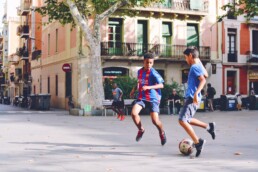
Travel Tips: Traveling with Kids in Spain and Portugal
If you've ever traveled with kiddos, you know there's nothing like seeing a place through your children's eyes and watching them discover new cultures, flavors, and sights for the first time. Of course, traveling with children comes with its challenges. So we're giving you to the inside scoop on traveling with kids in Spain in Portugal (though a lot of these travel tips can be applied to any destination). These aren't just random suggestions here. We're doling out wisdom based on our first-hand experience as both travel designers and people with families of our own.
Tips for Transport
Getting kids from one place to the other is probably the biggest concern when it comes to traveling with kids in Spain and Portugal. Luckily, it's easier than you think and there are lots of ways to relieve some of the big stressors.
Planes

Let's start with planes. International flights can be long and uncomfortable, so you'll want to make sure to you have enough space on the plane for everyone. Though kids under two fly for free, you may want to consider getting them a seat so everyone has space to spread out. It's not necessary, but it can be helpful.
Once it's time to fly, we recommend getting to the airport earlier than usual. That way, you've got all the time you need to check extra bags or strollers, get everyone through airport security, and take as many bathroom breaks as you need before boarding the plane. Most airlines actually let families board first so you can get comfortable and situated without worrying about inconveniencing anyone behind you. They'll often let you check the strollers at the gate as well, meaning you can easily roll the kiddos from the check-in counter to the gate. It's also a good idea to make sure all of your seats are together before you board. It's no fun walking onto the plane and realizing your kids are halfway across the plane from you.
Keeping kids entertained on the plane depends on their ages and preferences, but we like to treat it like a fun event. Get them excited about following the plane on the real-time map on the TV, for example. Or bring along bags full of stickers, coloring books, special snacks, and even treats for when they're on their best behavior. And of course, the in-flight entertainment is stocked with endless TV shows and movies for kids of all ages. Honestly, it's almost impossible for them to get bored.
Trains and Automobiles

If you have kids that are still in car seats, no need to worry. They aren't required on public transportation—kids ride safe on trains and buses in Spain and Portugal. Taxis usually won't offer them, but ride shares like Uber or Cabify (the local ride share) usually do, and you can request them when you book.
Rental cars are an excellent and easy way to travel with kids in Spain and Portugal, especially if you're going from one town to the next. You simply need make sure you book a vehicle that's big enough for the family and the luggage, and request a car seat if you need one.
One option we highly recommend while traveling in Europe is private transportation. A private driver always comes in the appropriate size vehicle (car seats included) and takes away the stress of having to navigate while dealing with kiddos.
Finding Accommodations
Whether you're in a big city or a rural area, vacation rentals, apartments, and villas are the best options when it comes to traveling with kids in Spain and Portugal. It gives them (and you) enough space to run around and spread out, and also offers them of a sense of home while they're traveling.
Many hotels can feel a bit cramped for families, but there are definitely hotels that accommodate kids with offerings like family suites, bigger rooms, and connecting rooms to give parents and kids some privacy. The Almanac Hotel, for example, is a great brand that works well for families with children. We also love the H10 brand for their bigger rooms and fun kid activities.
Choosing Activities

Spain and Portugal are fantastic places to take kids. Both countries are dotted with plazas and parks, where kids can run around and get their energy out before moving on to the next activity. There's so much to see and learn in the region, and there are tons of child-friendly activities for families. Private guides, for example, are a phenomenal way to experience monuments like the Alhambra or a cathedral. A child-friendly guide can really make the place come alive and make history fun for kids. And of course, with so many miles of coastline in both countries, a beach vacation means days of built-in entertainment for the whole family.
There are also tons of fun food tours with companies like Devour that work well with kiddos and families, and even offer special activities for kids during the tour. You can also check online for city-specific activity books for kids to get them more involved educationally before and during the trip. Pro tip: ask us about our Guides for Children Seville book, which incudes lots of fun activities and stickers!
Setting the Pace

Pace is a big part of traveling with kids in Spain and Portugal. You don't want to jam too much into one day or little nuggets will be totally exhausted. And you need consider how to create spaces in your schedule for naps (for you too!) and general downtime. Eating schedules and nap schedules tend to go out the window during travel, so be prepared to let your kids nap when they need to and always bring snacks.
Eating Out

There's not much division between child-friendly and adult restaurants in this part of world, unless you're heading to a very upscale Michelin-star spot. You'll find families with kids in tow at restaurants and tapas bars late into the night and way past American bedtimes. (Strollers make great beds for Spanish kiddos.) In general, children are welcome everywhere and eating with them is a breeze. There are no kids' menus and they're honestly not necessary. Spanish and Portuguese food is light and simple and you'll always find something for kids! Dishes are generally shared (tapas-style!), making it very comfortable for families.
One of the most brilliant Spanish inventions is the plaza-playground surrounded by tapas bars and restaurants. You'll find kids running sliding down slides all afternoon while parents lounge on patios and comfortably enjoy their meals in the sunshine. Kids love it. Parents love it. And you'll get to experience an authentic part of Spanish culture in the process. Ask us about our favorite spots and we'll add them to your itinerary.
Ask an Expert

Sarah, our founder and lead travel designer, has three kids of her own. When she designs trips for families, she's sharing her own insider knowledge based on her own experience towing three kiddos around the world. She understands that each child has their own personality, need, and limits when it comes to travel—and so do you as a parent.
These years of experience translate to this: getting you the right transportation for your needs and budget, the best accommodations so everyone sleeps comfortably, and the right schedule for activities so you and your kids can rest and enjoy the trip. The Spain Savvy team can help you book the best driver, get you those car seats, and find fun activities that line up with your family's interests. And if you're looking to sit back and watch your kids play on the swings while you much on a plate of jamón, we're here for that too.
We're all about encouraging families to travel together, no matter your kids' ages and the extra prep. Start them young and they'll be more flexible and better traveler buddies in the future, meaning you can keep on traveling too. We also believe it makes them more well-rounded individuals who understand that the world is full of different ideas, languages, and ways of living. And that's a really good thing in our book.
Contact us ASAP about getting expert travel design for your family's next trip to Spain and Portugal!

In the Press: Fodor's Essential Spain Tours
Fodor's Essential Spain Tours 2022
We are so thrilled to announce (if you haven't already seen the news on social media) our feature in Fodor's Travel Essential Spain 2022. It's truly an honor for us to be showcased as one of top references for travelers all over the world and to be a part of Fodor's essential Spain tours this year.
The detailed travel guide features all kinds of tips and tricks for navigating every part of Spain, with great info on things like the country's best beaches or how to eat and drink well during your travels. And everything is written by local writers who really know the country inside and out.
Of course, our favorite part is the Special-Interest Tours section at the front of the book (pg. 52) , where the fine folks at Fodor's give Spain Savvy a great little shoutout in their essential Spain tours section. Here's what they had to say:
“Owned and operated by an American expat in Seville, this company designs custom itineraries including culturally immersive experiences and top-notch properties.”
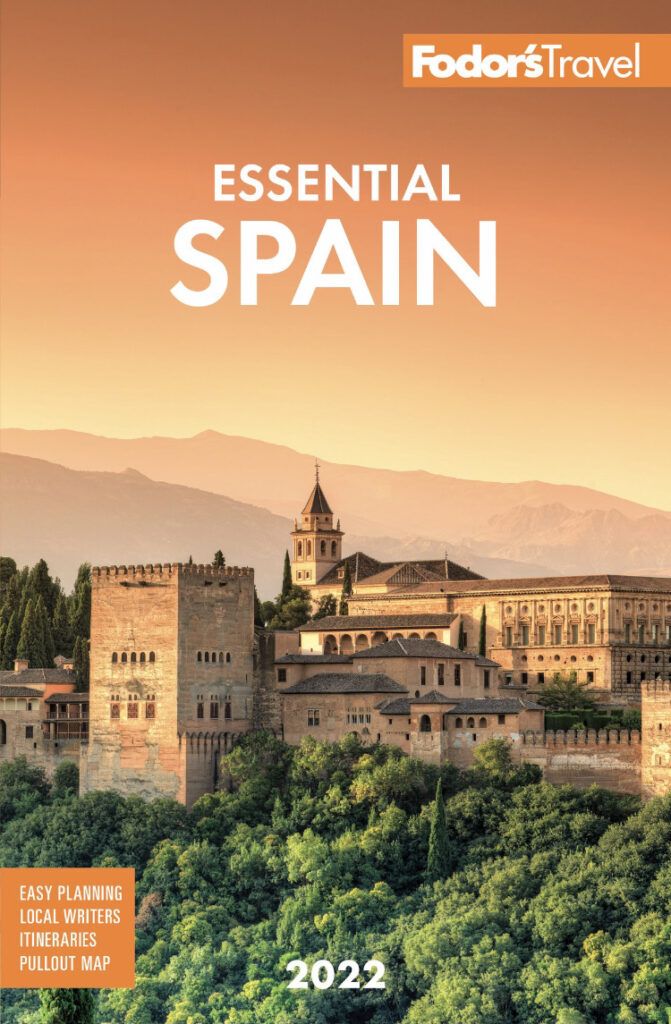

Thanks so much to the Fodor's team of writers and travelers for this fantastic recommendation! We can't wait to see what it brings us.
Seville's New Normal on Enjoy Living Abroad
We are also excited to share our feature in Karen McCann's book, Seville's New Normal: Insider Tips for Visitors 2022. This short guide to Seville answers all the common questions about safety and regulations in the city:
“This guide is my personal introduction to the city, based on knowing it for twenty years and observing the changes that have taken place in the last two,” says Karen. “It’s everything I would tell my sisters over a bottle of wine if they were heading this way next month and wanted me to tell them about Seville's new normal.”

Karen and her husband Rich also share some fabulous tips for visiting Seville. Pages 29-34 are some of our personal favorites! Here's what she had to say about our very own Sarah Gemba:
“Friends of mine who have toured the city with Sarah can’t say enough good things about her. She’s great with logistics, knows all the best places to eat, and helps people get in on the fun of the festivals — for instance, showing them how to dress up for the Feria and arranging for them to arrive by horse-drawn carriage.”

Snag a hard copy of Karen's book for just $6.99 on Amazon, or download the e-book for $2.99. And if you're in the market for more juicy secrets on life in Spain and living around the world, check out Karen's blog, Enjoy Living Abroad. Her writing and expertise has been featured in places like the LA Times and Lonely Planet!
We do a heck of a lot of hard work here at Spain Savvy to make sure our guests have unforgettable experiences traveling around this beloved country of ours. That's why we're so grateful for people like Karen and the folks at Fodor's who recognize the top-notch service we're providing to people like you!
Looking for your own essential Spain tour? Send us a message to start designing your next adventure.