



There’s a reason people come from all around the world to visit Spain’s Balearic islands, or Islas Baleares. This compilation of floating marvels off the eastern coast are home to some of the most pristine beaches and top-line accommodations in the country, along with tons of outdoor activities like diving, boating, and cycling—inland and on the coast. Here, fresh seafood abounds at beachside bars, while environmentally focused hotels and agroturismos work to preserve and showcase the natural landscape of the island. Looking for a place where you can explore Gothic architecture, visit world-renown galleries, take a seaside hike, dip in a hidden cove, and enjoy a Michelin star dinner all in one day? Spain’s Balearic islands are the answer.
Each of these four principal islands offers something different for every visitor, all with their own personality. Get insider tips on how to find the right island for your itinerary in our personal guide to Spain’s Balearic islands.
Ibiza
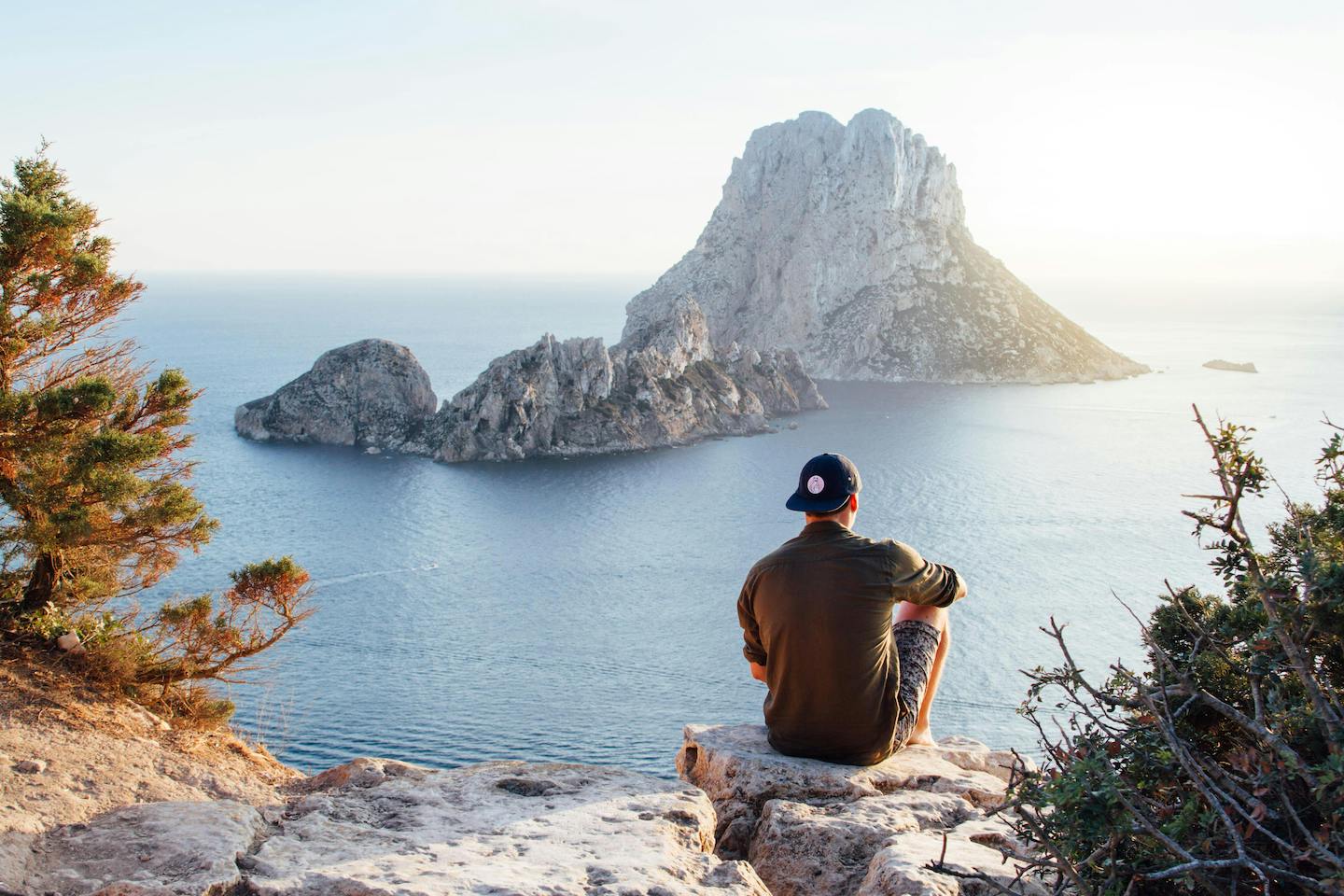 Ibiza is Spain’s most well-known island; even if you can’t locate it on a map, you’ve probably heard of it! Historically, Ibiza’s global reputation is that of a party island, with bars and beach clubs pumping out dance music until the sun comes up. And while its nightlife is still legendary (there are songs about it!), peaceful corners abound for those looking for a relaxing island vacation.
Ibiza’s beaches offer something for every traveler. It’s no secret that the quaint coves of the Balearics are what set it apart from many other beaches in mainland Spain. But unlike the rest of the Balearics, Ibiza also has large beaches with long stretches of sand for those looking to spread out or kick around a soccer ball.
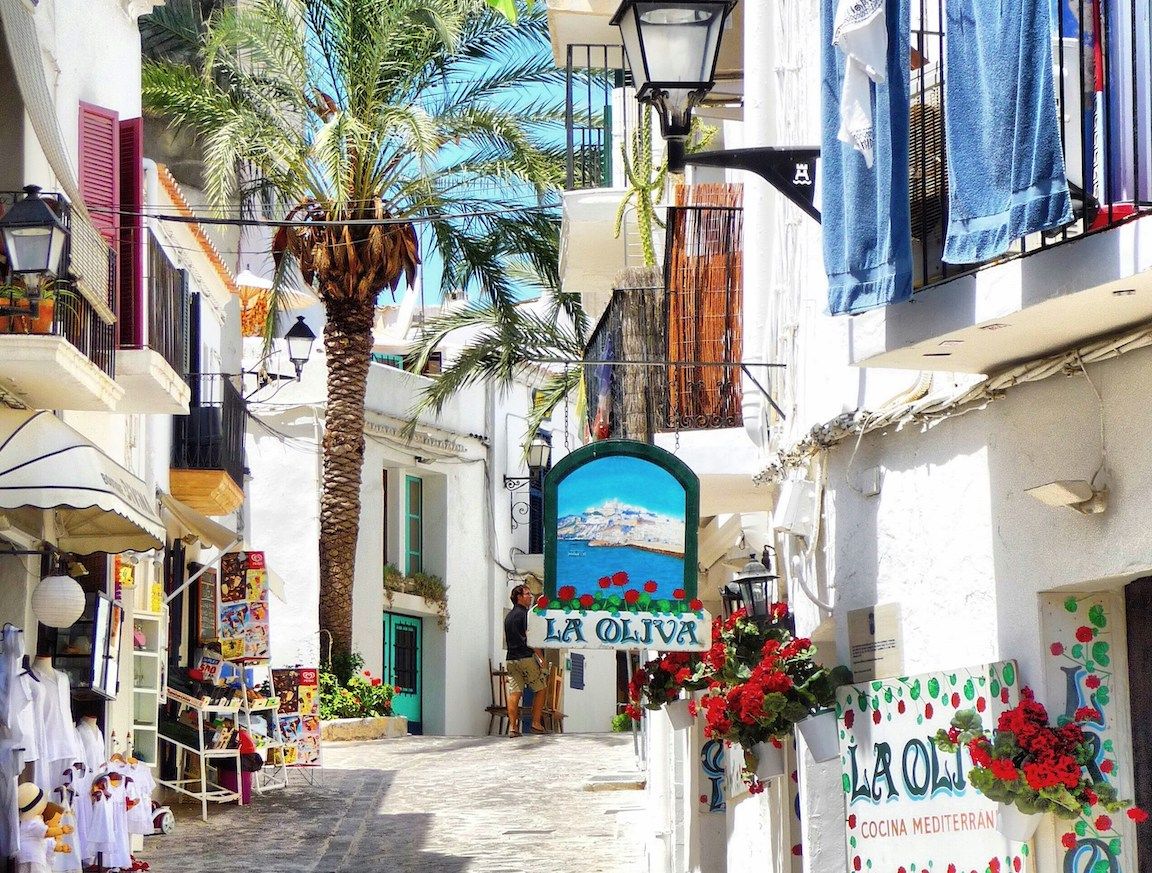 Part of Ibiza’s character also lies in its island hippie vibe that spans all ages. The island is a hotspot for yoga retreats and creatives, and you can’t miss fun hippy markets like Las Dalias, where you snag artisan crafts and boho-chic island ware. Head inland and discover rural escapes, designer accommodations, and farm-to-table restaurants that feel a world away from the lights and techno of Ibiza town.
History buffs also find a home in Ibiza. The UNESCO hillside town Dalt Vita perched above Ibiza town is a prime example of Renaissance military architecture and is a great way to break up days of beach-bumming. And luckily, getting to Ibiza is easy. Multiple flights head in from Europe and mainland Spain every day.
Mallorca

Mallorca is the largest of the Balearics and thus has has something for everyone, be it history buffs or art fiends, Fly into Palma, the capital, and you’ll be stunned by the seaside Gothic cathedral towering over the city and neighboring waters. After walking Palma’s cobblestone streets and visiting its chic cafés and art galleries, rent a car and explore the surrounding coastal villages. In places like Deià, Valdemossa, and Sollér, terracotta roofs and sandy stone walls house pristine villas and hotels, restaurants serving ultra-fresh seafood, and shops selling artisan pottery and crafts.
Mallorca’s beaches are, of course, its main draw. For those looking for a little room to spread out, Playa de Muro is a great option, while the coves or calas around Deià in the north and Caló des Moro in the south are exceptional. In the summer, these can fill up quickly. The best way to find a crowd-free cove? Ask your travel designer about hidden coves known only to locals.

Beyond the waters, Mallorca’s Tramuntana mountains provide dramatic landscape for outdoor actives. Bike along the numerous coastal and inland paths, or hike through olive groves or along stretches of the Ruta de Pedra en Sec, a long-distance trail along restored medieval trails. Deeper inland, wine lovers can visit family-run vineyards: Mallorca is the only wine-producing island in the Balearics.
Mallorca is also a haven for creatives and artists, which can be seen in what are some of the most beautifully designed hotels and villas in the country. La Residencia hotel, for example, houses a large permanent collection of Joan Miró as well as an artist in residence program and art classes for guests.
Menorca
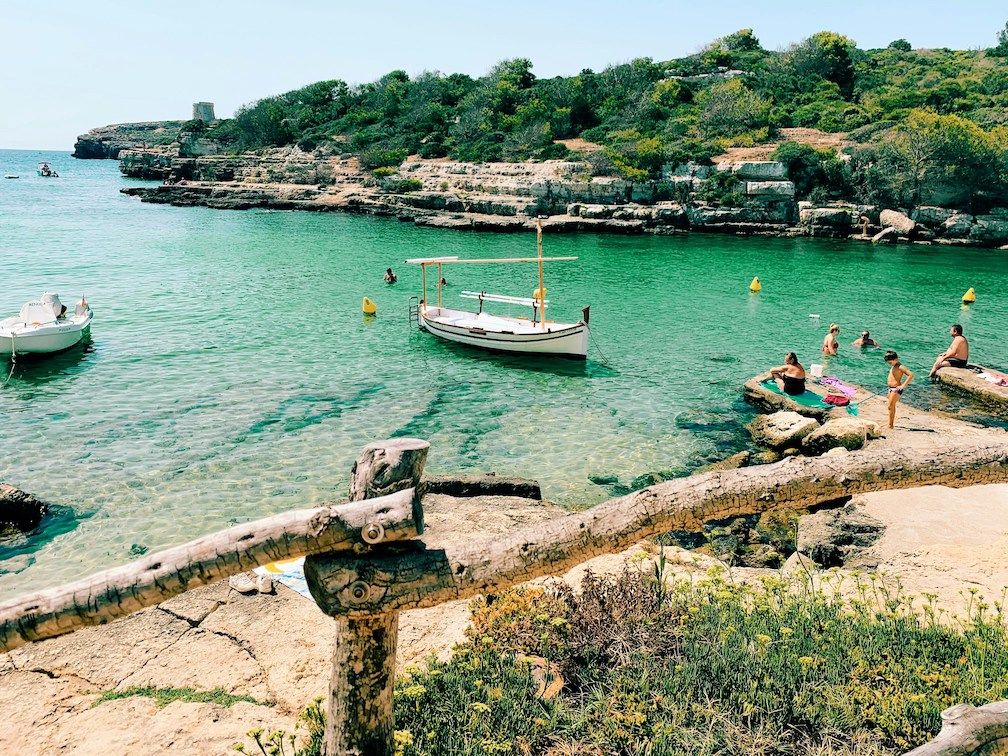
Menorca is smaller than Mallorca, but has a similar feel, albeit a bit more mellow. Its size makes it a bit more manageable (you can easily explore the entire southwest coast by boat in just one day!). And it’s two major cities—Ciutadella with its Gothic architecture and Mahon’s port—have fantastic accommodations, restaurants, and shops to explore.
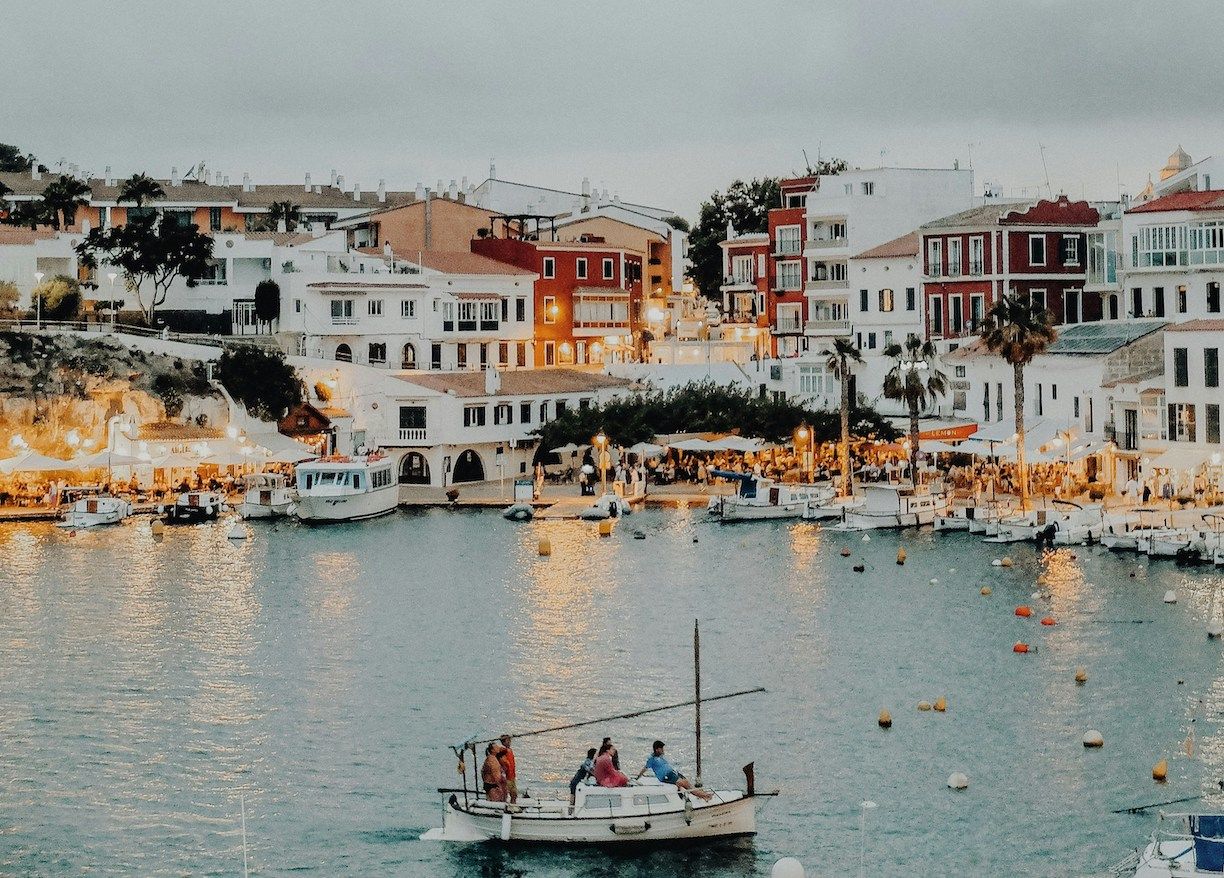 Menorca is also known for its stunning rural hideouts. There are 30 official paths, or rutes verdes for hiking and biking, like the Camí de Cavils which slinks around the coastline. When it comes to beaches, think craggy coves and inlets for beach bumming, often hidden amongst the pines and only reachable by narrow footpaths. The waters in Menorca are so vibrant you may think you’ve landed in the Caribbean! Which also makes it a prime diving spot for those looking to explore the region’s stunning underwater biodiversity. Many of Menorca’s beaches are also shallow, making it a great spot for families, especially if you’re traveling with young kiddos.
Bonus: Menorca has some of the most memorable sunsets we’ve ever experienced in Spain. And you’re never far from oceanside view of these colorful marvels.
Formentera
 Formentera is the smallest, most southern island in the archipelago. If you’re seeking a true escape, Formentera is the answer. Here, it’s all about serenity and finding some peace and quiet. That’s because the only way to reach Formentera is by boat (there are no airports). Luckily just a 30-minute ferry ride from Ibiza will get you to Formentera, which can often seem a world a part from not only the other islands, but reality itself. There’s a countercultural way of living here: it’s slower and rustic (though still chic), making it easy to lose track of time. Formentera is a great day trip from Ibiza or an ideal long stay if you’re looking to unwind.
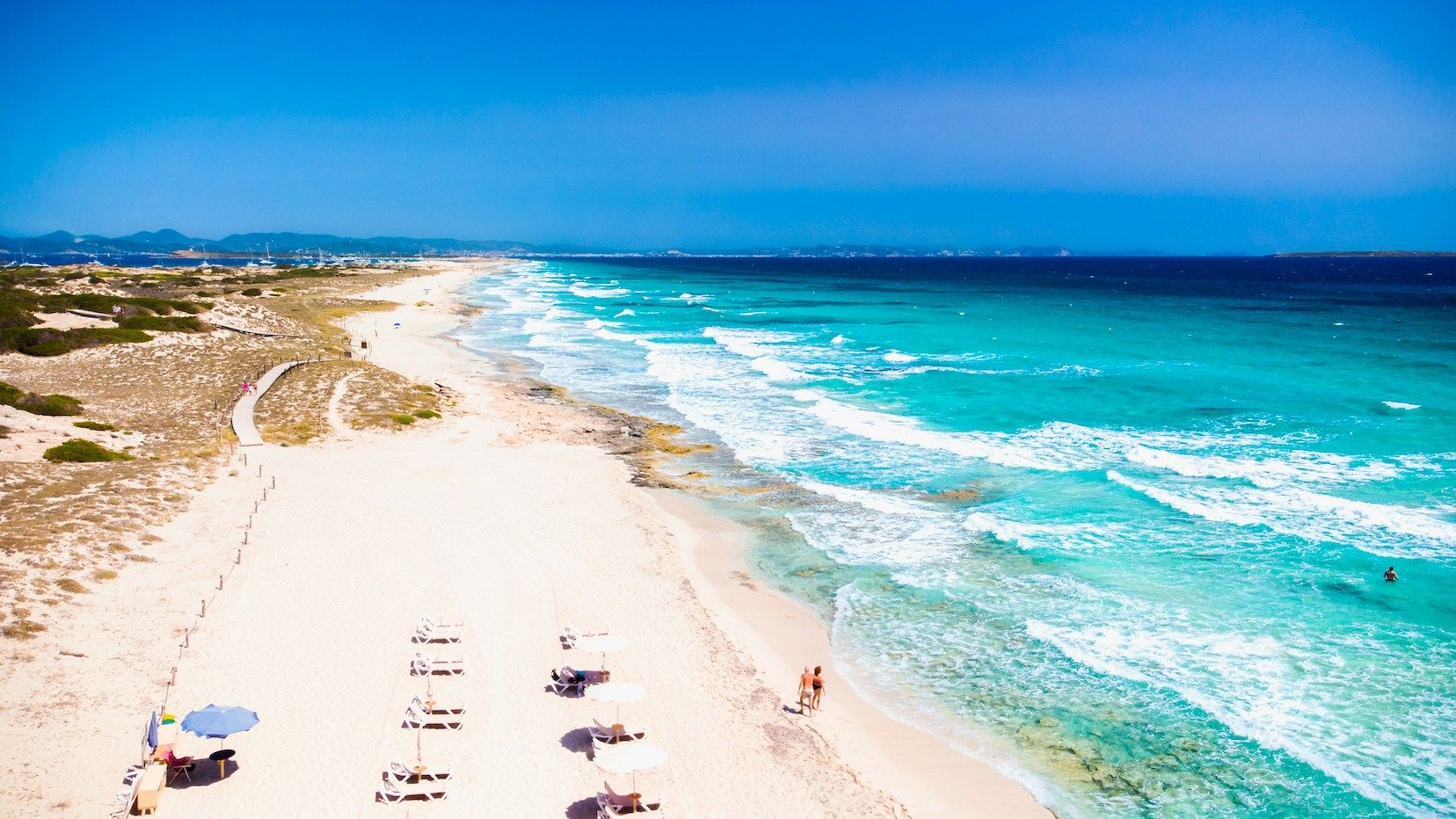 Here, life is lived outdoors. Formentera is full of rural trails for hiking and biking, laden with soft white sand, and surrounded by turquoise waters ideal for snorkeling and diving. While seemingly wild and remote, Formentera also boasts a number of spectacular accommodations and a great dining scene. The best part is you can probably show up barefoot.
Want to visit them all in one go? Spain’s Balearic Islands are a haven for boating, from small sailboats to impressive yachts. Ask your travel designer about boat charters (highly recommended!) and see a different side of the Balearics. Reach out to us here!
Gorgeous! Very inspiring. Your emails are a pleasure to read through and imagine the possibilities of our own trip. You speak my language-haha
Thank you.