



Spain is one of the world’s most traveled destinations. In 2025 alone, 96.8 million people visited the country—coming to see its exceptional monuments, rich culture, and ever-sunny beaches. With so much to do and experience here, planning your first trip to Spain can be overwhelming. So we’ve drummed up a few common questions with our expert answers to help you navigate those first steps.
How big is Spain?
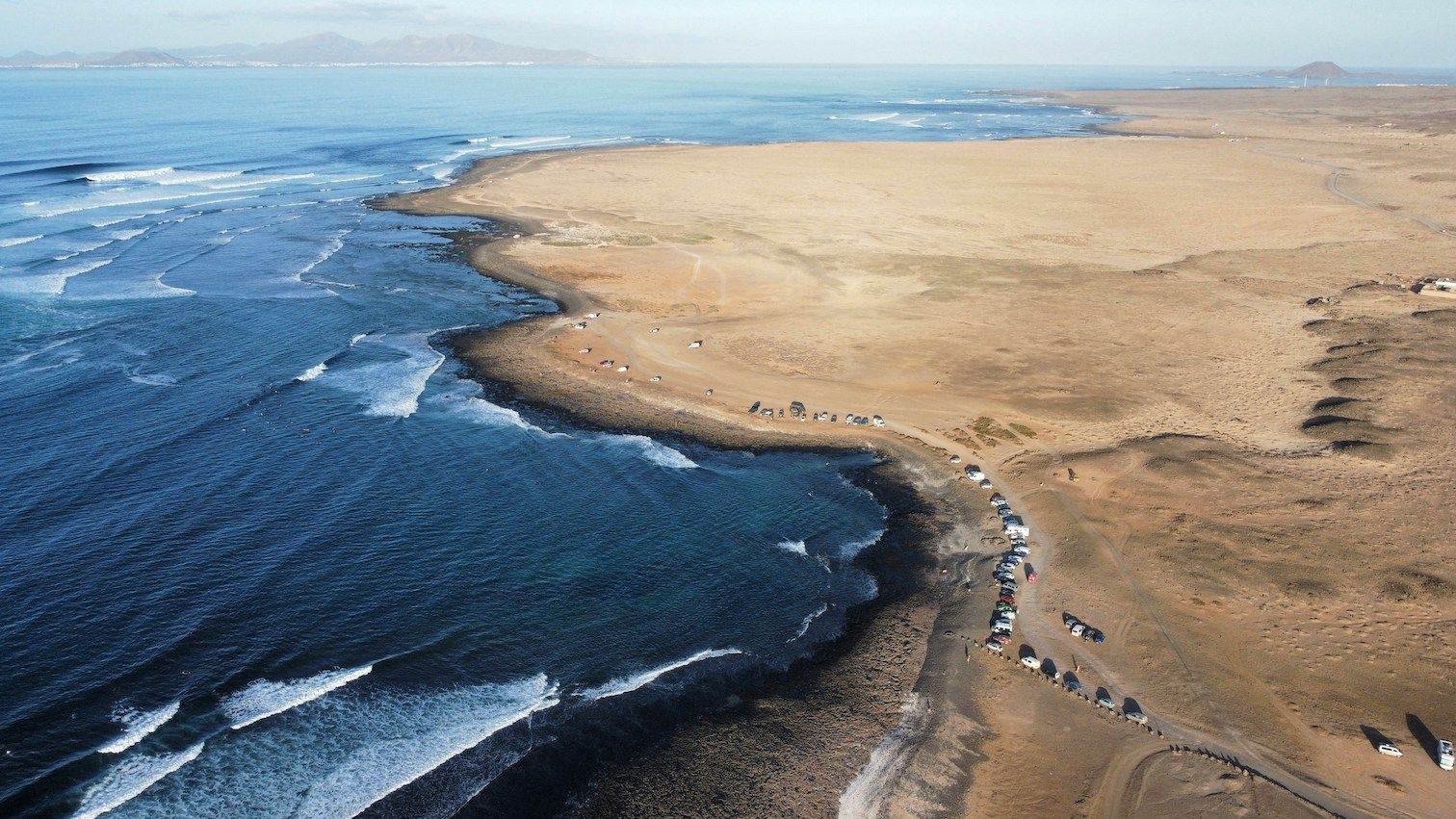 People are often surprised to discover that Spain is a fairly small country, especially in comparison to the United States. Including its islands, the country covers just under 196,000 square miles. Texas alone, for example, covers over 268,000 square miles. Despite its size, Spain’s geography is incredibly diverse. You’ll find everything from ski resorts and soaring mountains in the north and south, to a variety of beaches (including volcanic), sweeping deserts, and lush forests throughout. This stark variation in such a small space is one of aspect of the country that never ceases to wow our clients.
What are the different regions of Spain?
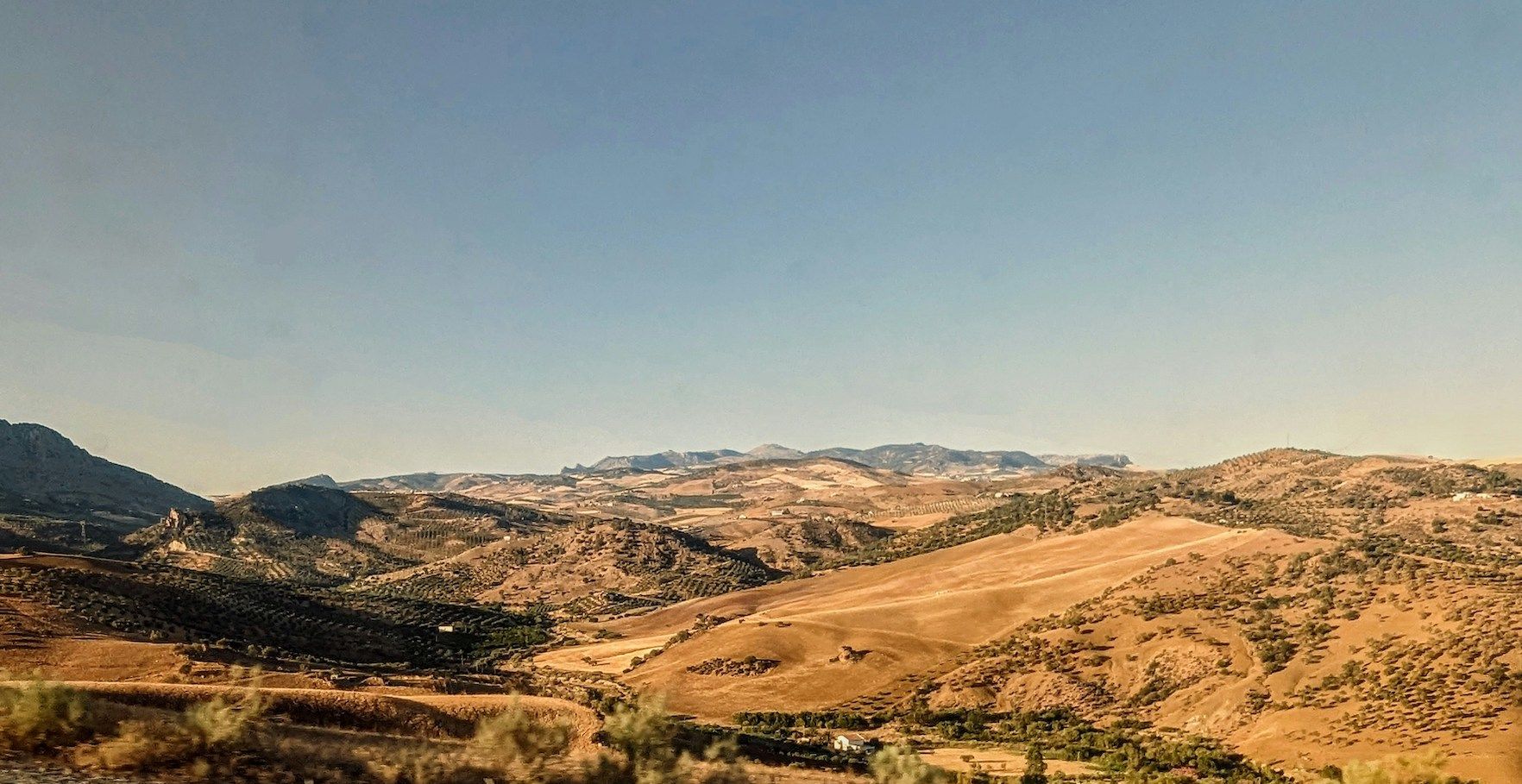 Spain is divided into 17 autonomous communities, which essentially function like states. Fifteen of those are on mainland Spain, while the Balearic Islands and Canary Islands makeup its island communities. Spain also has two autonomous cities located within the country of Morocco.
Where should I fly into when traveling to Spain?

Spain has direct flights from the U.S. to Madrid, Barcelona, Málaga, and Palma (Mallorca). Depending on your plans and where you’re coming from in the States, we can help you figure out the best landing spot.
What are the best cities to visit in Spain?
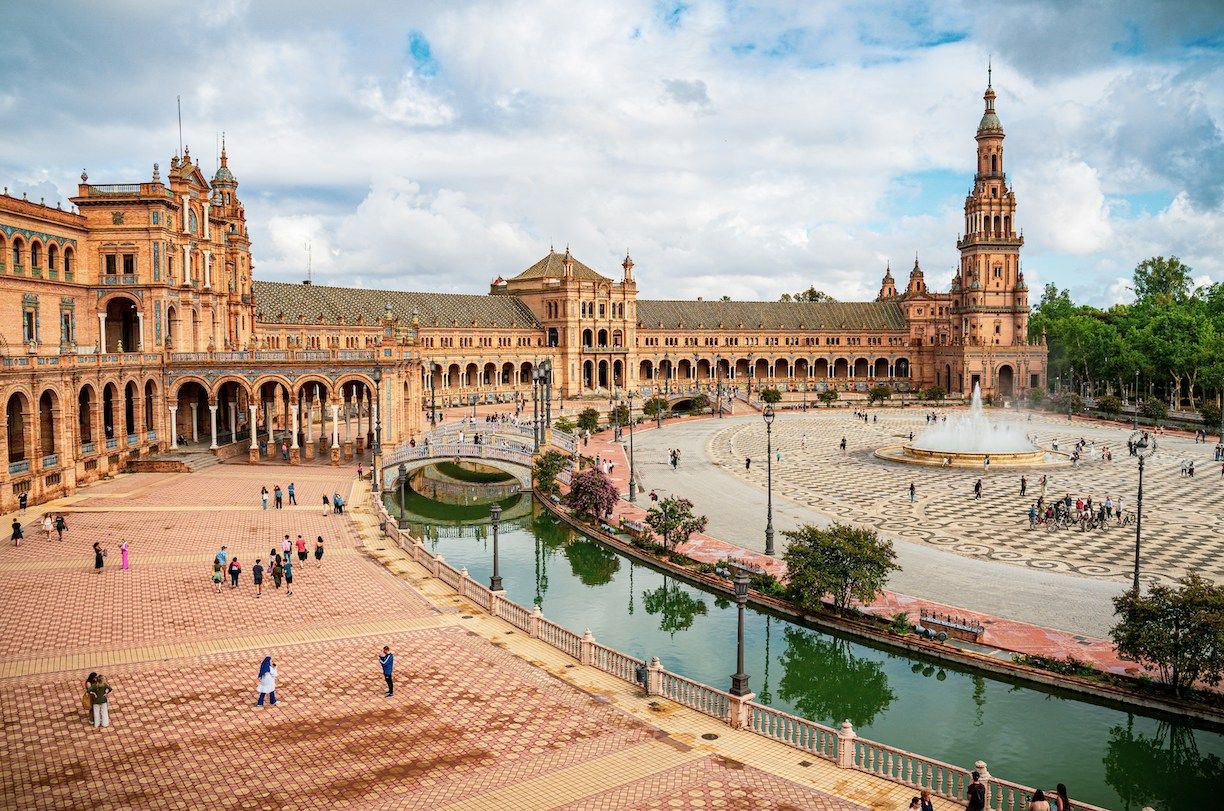 Madrid (the capital) and Barcelona are the country’s two largest cities and the most visited. They’re also the easiest to access from abroad, with thousands of international flights in and out of both airports daily. But there’s no question we have a soft spot for our home base in Sevilla. An explosion of color, sound, unique Moorish history, and quaint windy streets filled with bustling tapas bars, Sevilla embodies so much of what one expects of Spanish culture. We’ve quite literally never met a soul who didn’t fall in love with Sevilla on their first visit.
We also love Valencia for its arts a culture (and proximity to the beach), Santiago and San Sebastián for their cuisine and verdant landscapes, and Palma for its relaxed island vibes.
Which areas would you recommend on a first visit?
 For convenience and a big dose of Spanish culture, we usually recommend our clients fly into Madrid and spend a few days there before heading to other areas. The capital city is a cultural reference for the rest of country. You can marvel at some truly magnificent architecture, from the royal palace to the homes along the cobblestone streets. Here you’ll see of the country’s most renown artwork. You can dine on both traditional and avant-garde cuisine late into the night. You’ll experience that quintessential European city life that while busy, still indulges in a leisurely three-hour lunch.
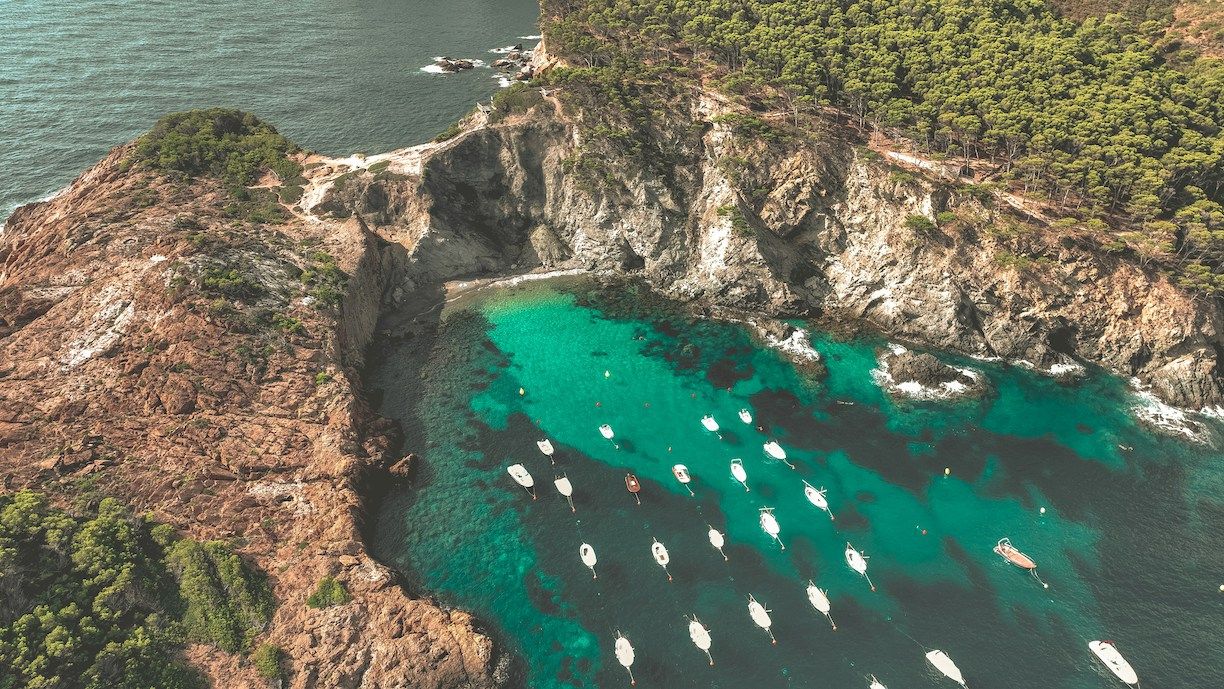
From there, it’s all about the traveler. The Balearic Islands or the Costa Brava are our favorites for beach vacations. If you’re looking for culture, history, and cuisine, even the tiniest of villages can offer you those. But Barcelona, Sevilla, and Valencia are your best bets for top museums and monuments. We often send our clients on a route through Andalusia, Spain’s most southern region. Start in Sevilla and work your way around the mountain villages, down along the coast, and up to the enchanting Alhambra palace in Granada.
What is the best way to travel in Spain?
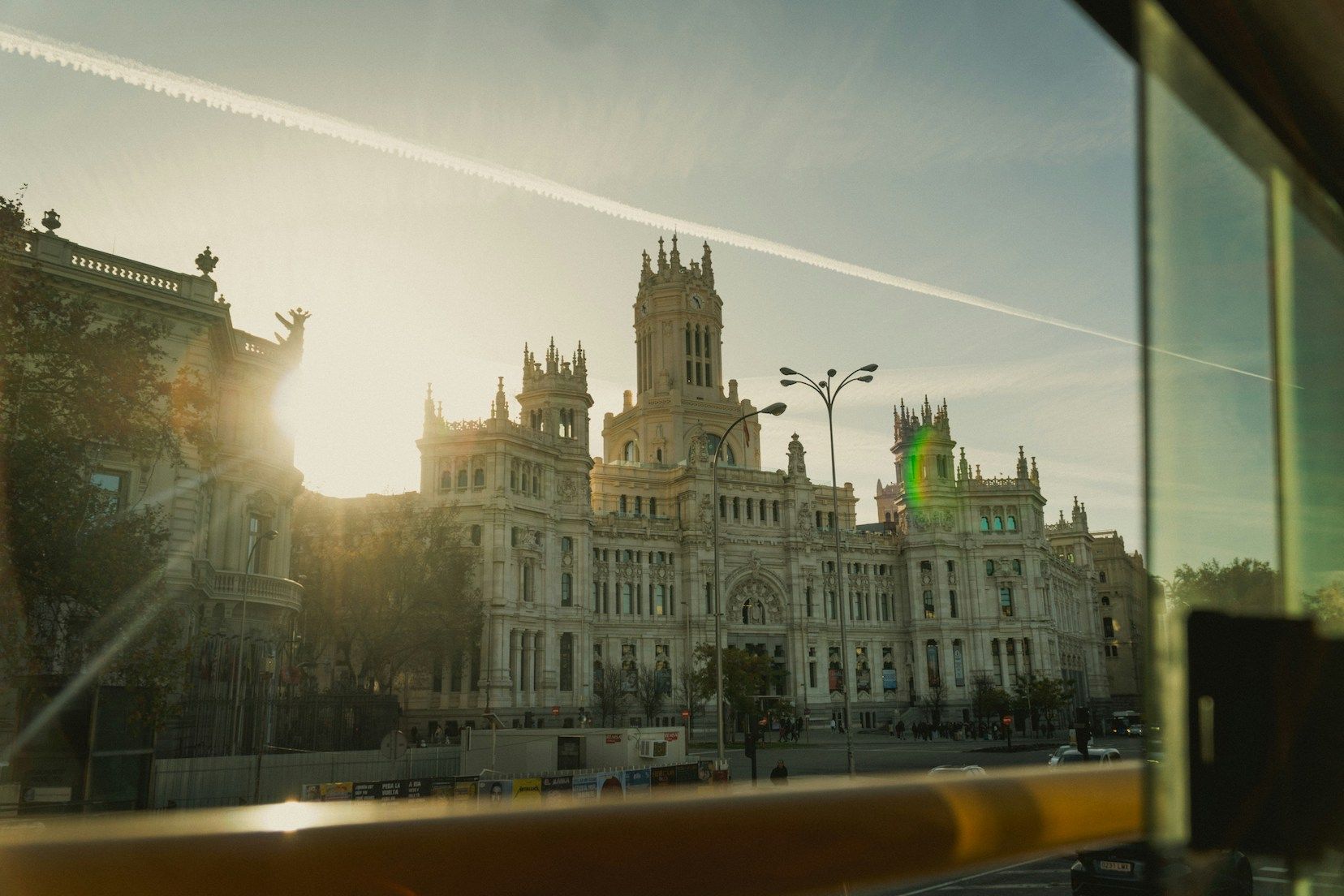 Once you’re here, we highly recommend traveling around Spain by train when going from city to city. The country has a well-connected train system, with multiple high-speed trains connecting major and even smaller cities. For example, you can get from Sevilla in the southwest all the up to Barcelona in the northeast in 6.5 hours.
If you’re planning to visit rural villages, the countryside, or beach towns (which our clients absolute love), renting a car in Spain is great. But many of our clients actually prefer hiring a private driver. That way you don’t have to worry about picking up/dropping off there rental car, navigating in a different country, and the insanely complicated parking situations throughout the country.
What are some of the top hotels in Spain?
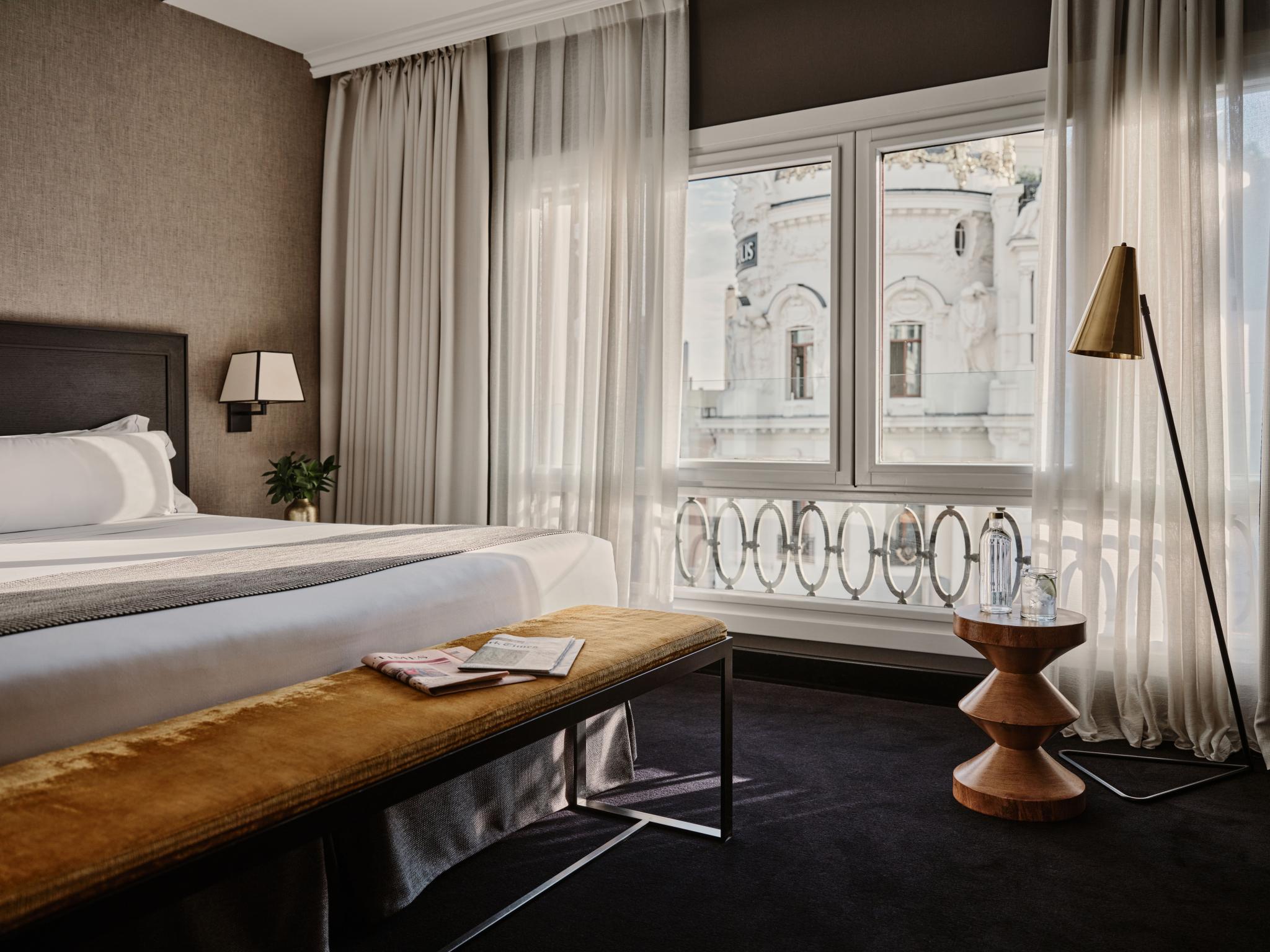 We’re obsessed with the line of H10 hotels throughout Spain, whether it’s the Casa Mimosa in Barcelona or the Colomera in Córdoba. But of course that’s just the beginning of Spain’s incredible hotel scene:
- Don Ramón (Sevilla): We love their luxe decor and palace feel.
- Villa Favorita (San Sebastián): The ocean views from these rooms coupled with the gastronomy is beyond perfect.
- The Principal (Madrid): Not only do they offer exceptional service, but they’ve got one of the best rooftops in Madrid.
- Belmond la Residencia (Deià): This fairytale hotel in Mallorca is home to an impressive art collection, perfect rooms, and majestic outdoor spaces we can’t get enough of.
What is Spain’s best-kept secret?
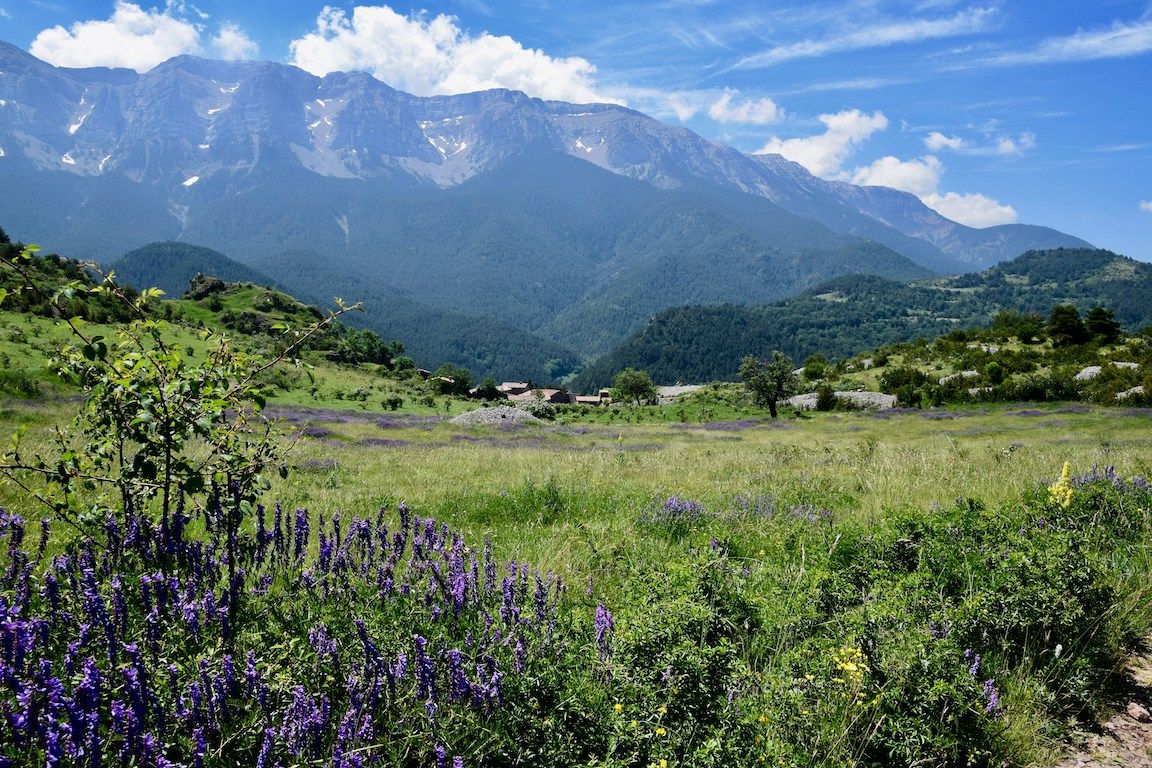 Spain is full of secrets that we never seem to stop unpacking. But one in particular is the country’s outdoor landscapes. People tend to come here for the big cities, monuments, and tapas bars. Which of course, we also love, celebrate, and frequent. But there’s so much to explore in the national and natural parks, from hiking and biking trails to rock climbing, skiing, and kayaking. And even if outdoor adventure isn’t your thing, the villages in these natural areas are great spots to visit from a cultural perspective, or if you just need a break from the city.
What is the best time of year to visit Spain?
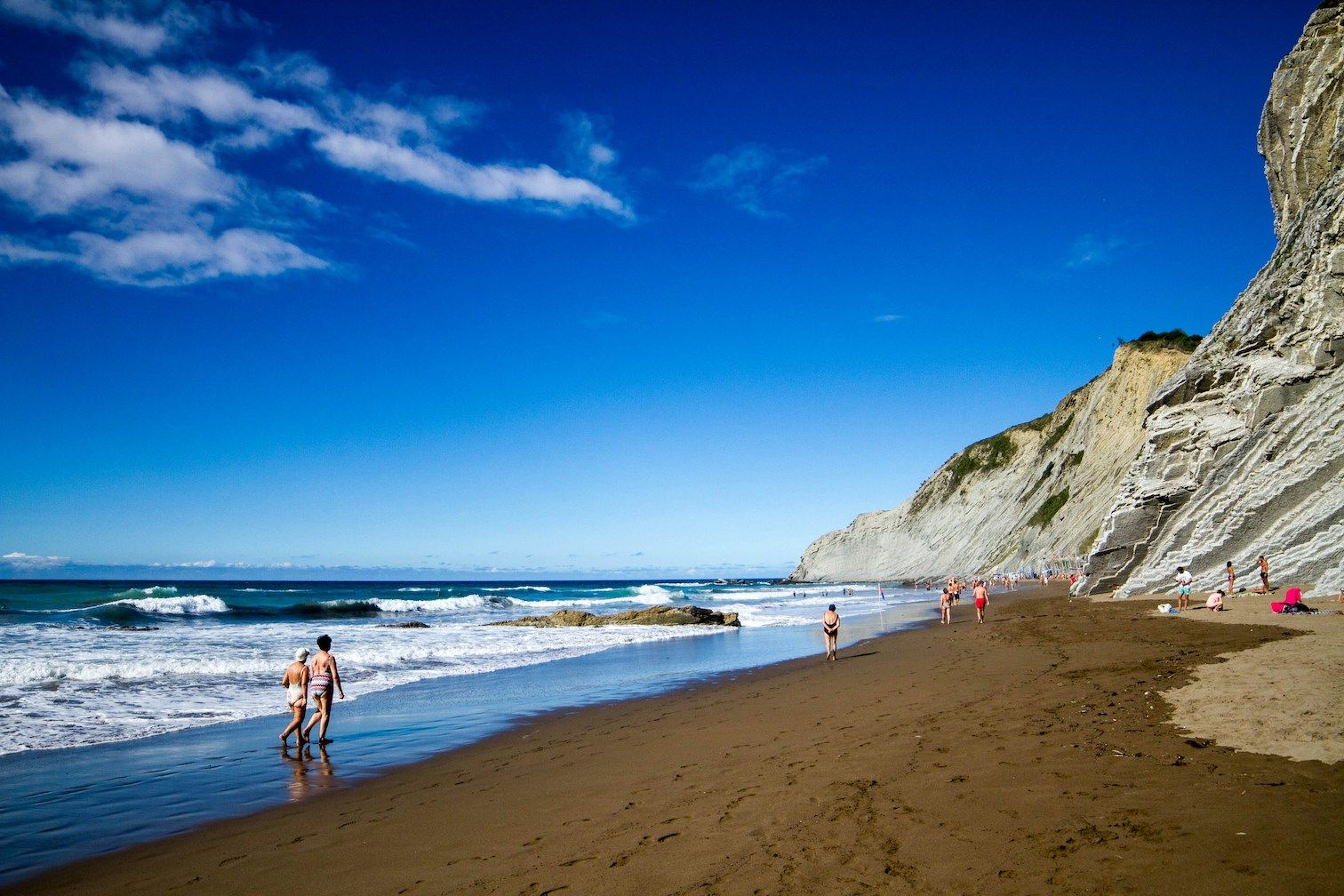 We love this question. Because the answer is that there’s honestly never a bad time to visit Spain. With such varied landscapes, including islands like the Canaries that maintain consistent moderate temperatures year-round, there’s always somewhere to travel in Spain any time of year. In the summer, we send folks up north and avoid the south, unless your focus is just the beach. In the winter, the south is sunny with comfortable temperatures and a great escape for snowbirds. And spring and fall are magical seasons to visit the big cities. In other words, you choose the season that works for you and we’ll help you find the right fit.
What should I pack for my trip to Spain?

If you’re traveling around the country, be prepared for changing weather conditions. Packing will largely depend on the season in which you’re traveling, but we always recommend layers no matter the time of year. Regardless of your travel dates, always pack a comfortable pair of walking shoes. You’ll do way more walking than you likely do living in the U.S. We’ll be happy to help with the seasonal packing specifics once we’ve got your itinerary locked in.
Still have questions about planning your first trip to Spain? Reach out to us and we’ll get you even more insider information from on-the-ground travel experts.